

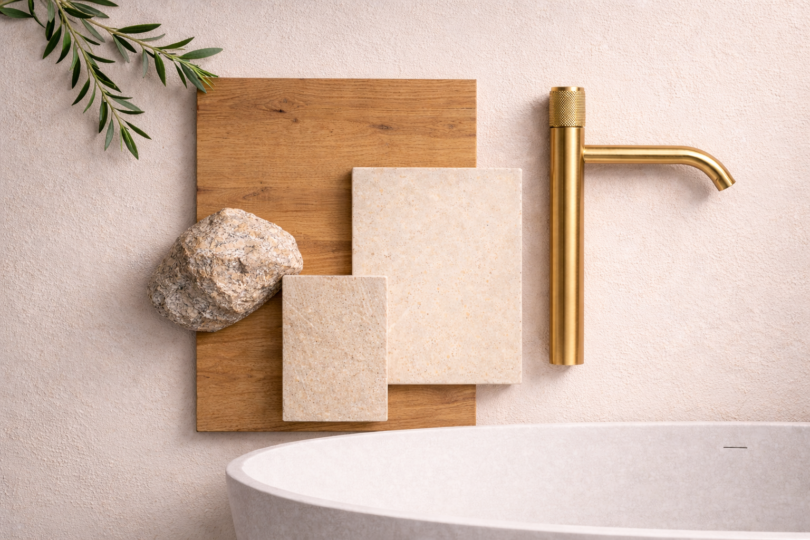

A bathroom renovation can add real value to your home, but only if it’s planned properly from the start. It’s easy to get distracted by beautiful tiles, mirrors and designer bathroom taps or basin mixer taps, only to realise halfway through the project that the budget should have gone to plumbing, waterproofing or a better-quality toilet.
Whether you’re doing a full renovation or simply upgrading a few tired fixtures, these steps will help you avoid costly mistakes.
Step 1: Decide what you can realistically spend
Every renovation starts with a budget. Before choosing tiles, colours or bathroom taps, decide what you can realistically afford. Your budget will determine whether you can move plumbing, install a new shower or bath, or simply upgrade existing fittings.
A realistic budget should include:
• Fixtures like basins, toilets and bathroom taps
• Plumbers and contractor costs
• Waterproofing and tiling
• Electrical work and lighting
• A contingency for unexpected problems
Many renovations run over budget because homeowners plan for products but forget about installation costs. Being honest about your budget from the beginning helps you decide where to invest, and where to simplify.
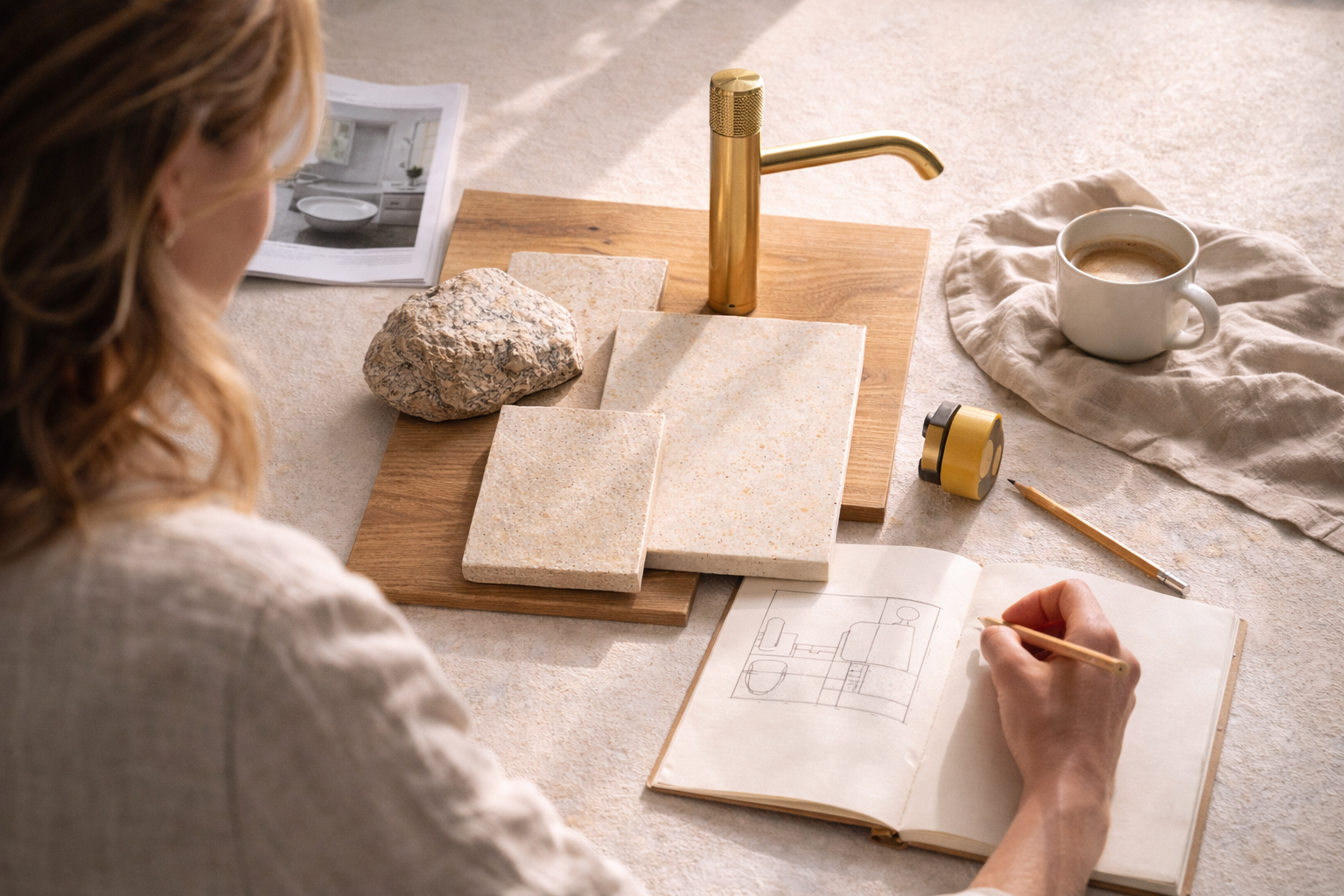
Step 2: Decide who the bathroom is for
Not every bathroom needs the same features. Ask yourself who will use the space most often.
A guest bathroom may focus on style and simplicity.
A family bathroom needs durability and storage.
A main en-suite may justify a freestanding bath, premium shower fittings and statement finishes.
Knowing this early helps guide layout and product choices.
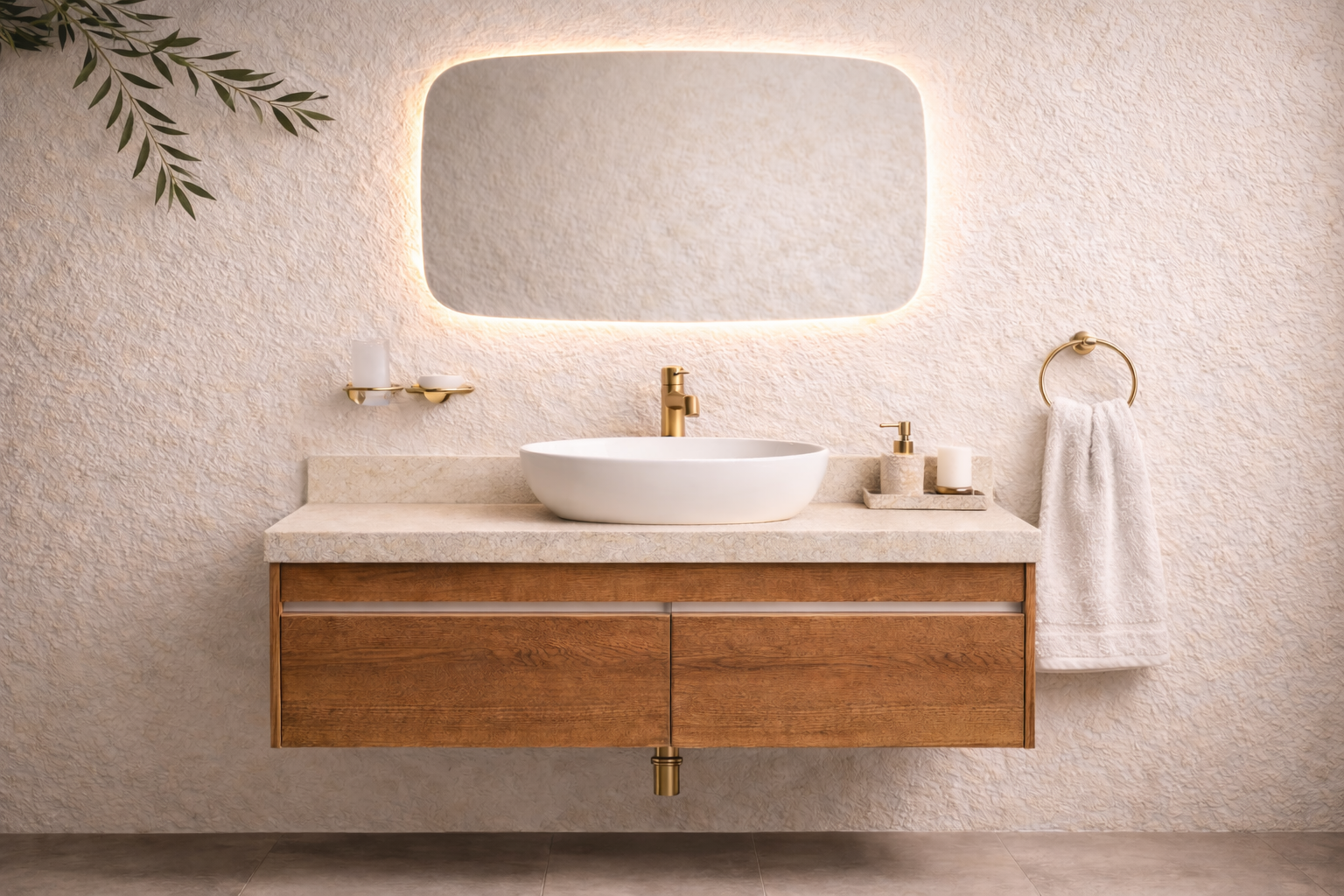
Step 3: Decide if this is a full renovation or a smart upgrade
Many homeowners assume they need a full renovation when a smarter upgrade might achieve the same result.
A full renovation usually involves:
• Moving plumbing
• Retiling the entire room
• Replacing toilets, basins and bathroom taps
• Installing a new bath or shower
But before committing, ask whether the current layout still works.
Moving drainage points – like a toilet, shower drain or bath waste – is one of the biggest cost drivers in a renovation. It often means breaking floors and adjusting plumbing.
Water supply lines are easier to move. Adjusting taps for a basin or vanity is usually far simpler than relocating a toilet or shower drain.
The rule is simple: move things if it improves the flow of the space, but do it intentionally.
Sometimes keeping the toilet and shower where they are and simply upgrading the basin, bathroom taps or shower fittings delivers the biggest visual improvement for far less money.
Step 4: Set your priorities before buying anything
Let’s be honest, most people renovate because they want their bathroom to look modern and stylish. There’s nothing wrong with that. But if you start buying products before deciding what matters most, the budget disappears quickly.
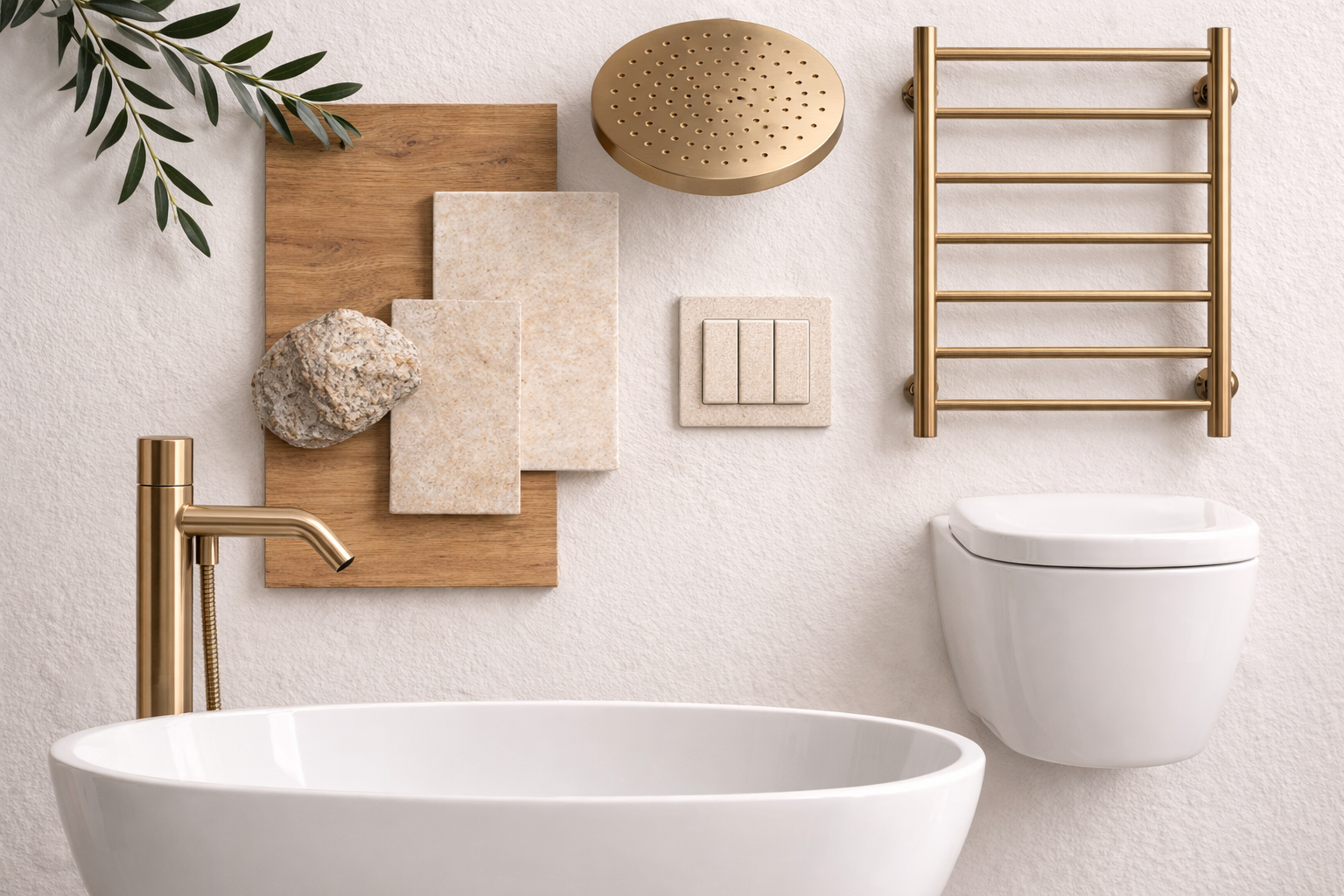
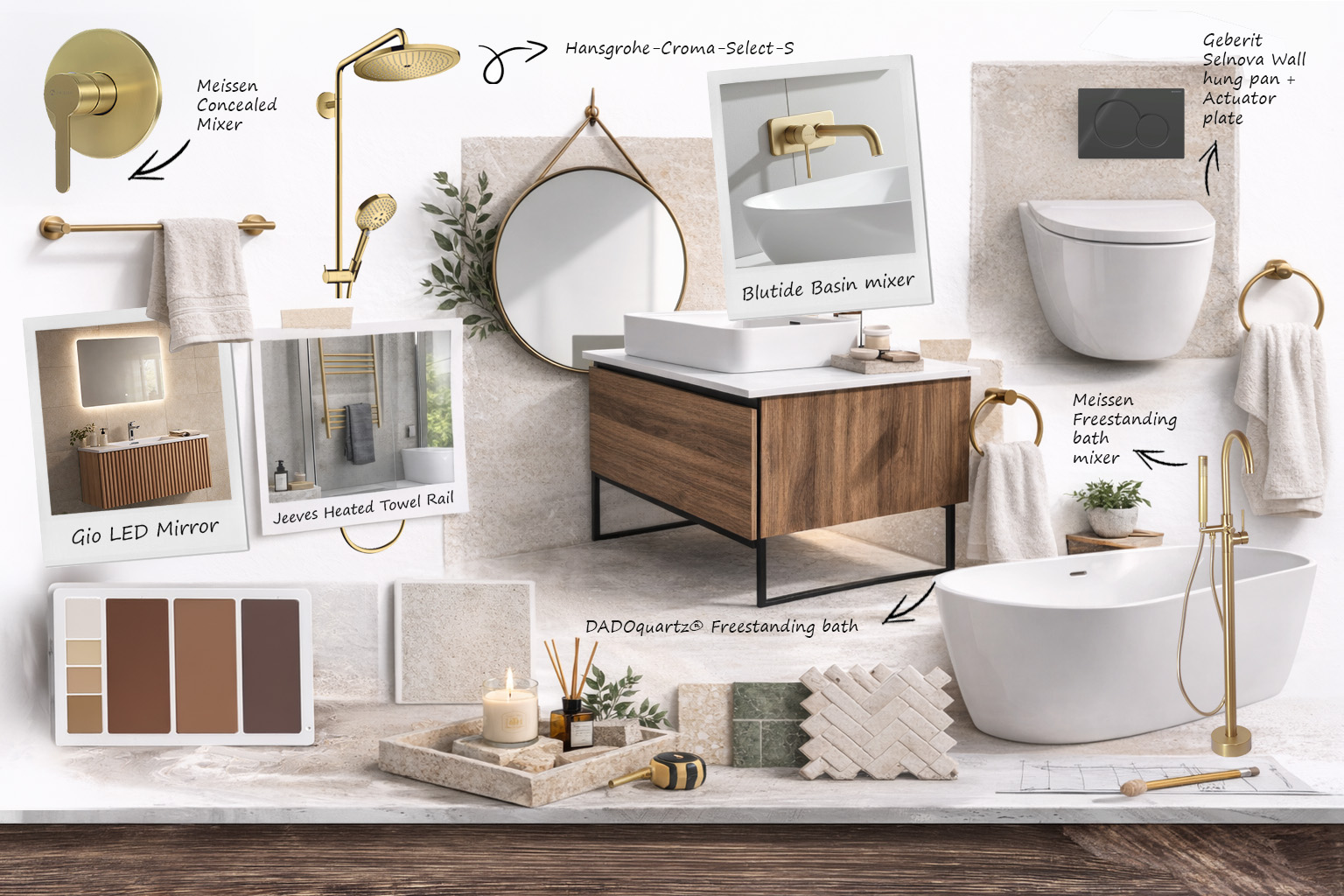
Start with a simple moodboard. Collect a few images that capture the colours, finishes and look you want. It also helps to understand where money makes the biggest difference.
Paint can elevate a space at a relatively low cost and make new basins, mirrors or bathroom taps stand out. Tiles look beautiful but involve demolition, waterproofing and installation, which makes them a much bigger investment.
Fixtures matter too. Spending thousands on tiles and then installing cheap taps rarely works. Poor-quality bathroom taps or basin mixer taps wear quickly and can leak or damage surrounding finishes.
Space planning is another reality check. A freestanding bath needs breathing room – ideally 150–200 mm around it – otherwise cleaning becomes difficult.
Storage is often overlooked. A minimalist bathroom may look great in photos, but without proper storage it quickly becomes cluttered.
And don’t forget practical details. Many homeowners plan for a backlit LED mirror but forget it requires an electrical point. Others install decorative mirrors that start blackening because they aren’t designed for humid environments.
Planning priorities early helps ensure your budget goes where it matters most.
Design tip: Many designers keep finishes simple – such as matte black or brushed metals – so the money invested in tiles, vanities or basins becomes the visual focus of the room.
Step 5: Factor in professional installation
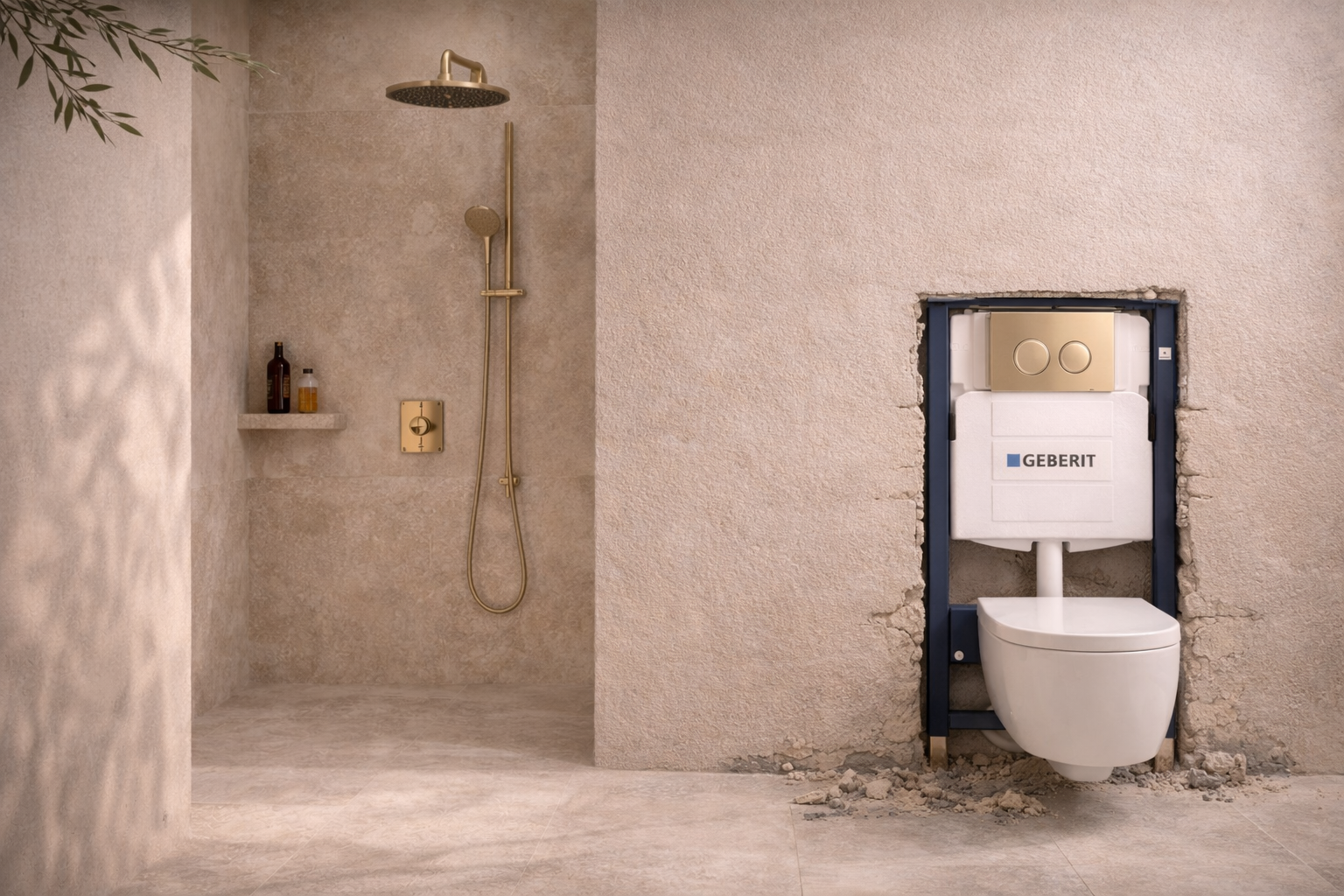
This is where many renovation budgets fall apart as homeowners often plan for products but forget about installation.
A proper renovation usually involves:
• Plumbers
• Tilers
• Waterproofing specialists
• Electricians
• Cabinet installers
Even the best bathroom taps, basins or showers won’t perform properly if installed incorrectly. Poor waterproofing, incorrect drainage or rushed plumbing can turn a beautiful bathroom into a long-term problem.
Allowing for professional installation protects both your investment and the lifespan of the bathroom.
Step 6: Invest in products that reduce maintenance
Bathrooms work hard every day. Choosing durable fixtures reduces maintenance later. For example, if a toilet constantly needs repairs or a shower struggles with leaks or pressure, replacing it with a better-quality fixture often solves the problem permanently.
The same applies to bathroom taps, basin mixer taps and shower taps. Quality tapware uses better internal cartridges and seals, which means fewer leaks and smoother operation.
Good products may cost more initially, but they usually result in fewer plumbing call-outs and fewer replacements over time.
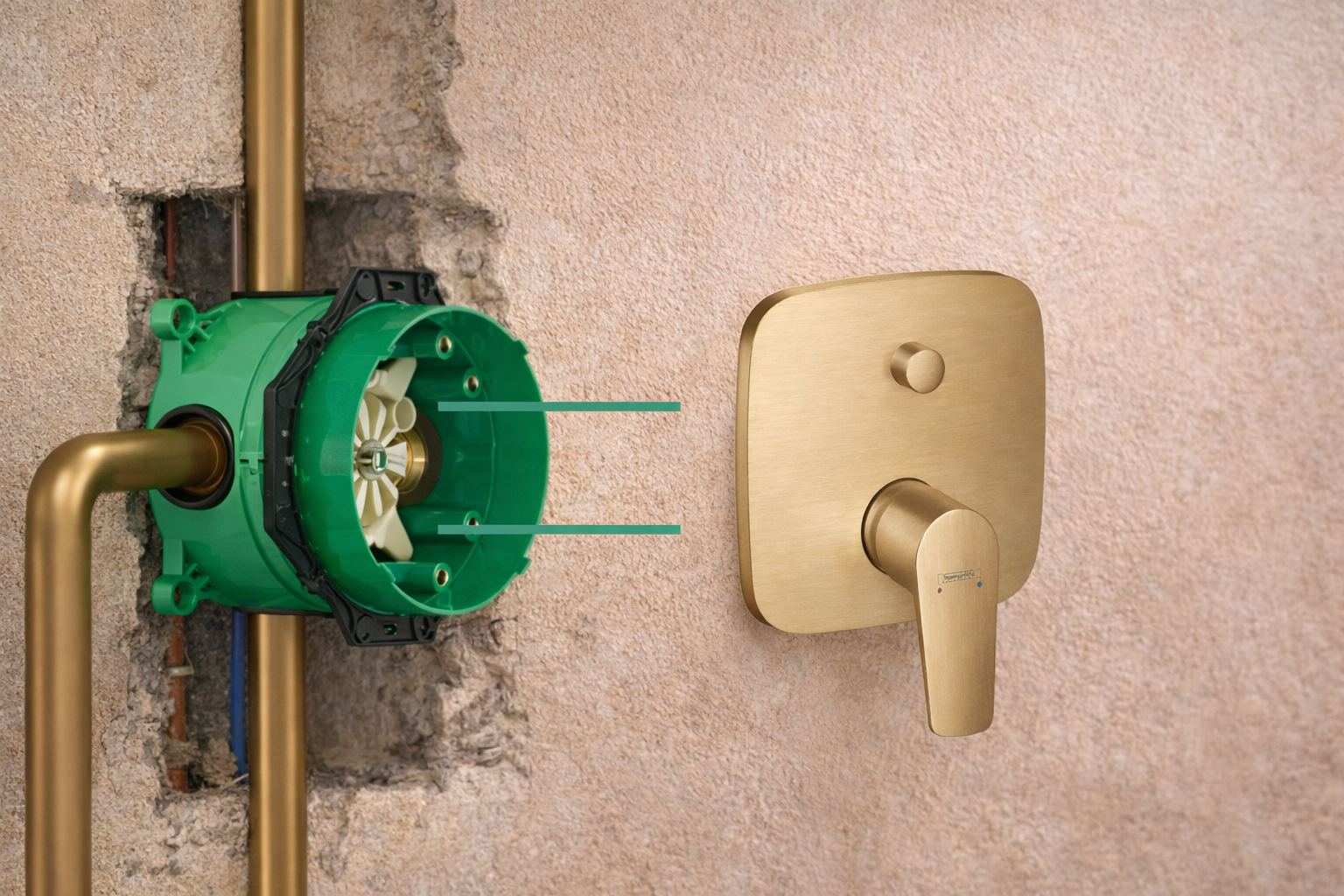
Good to know: Some bathroom systems are designed to make future upgrades easier. For example, concealed shower mixers that use systems like the Hansgrohe iBox. Universal allow the internal plumbing to stay in the wall while the visible trim and controls can be replaced later. This means homeowners can update finishes without breaking tiles or redoing plumbing, a major advantage in full bathroom renovations.
Step 7: Fix the problems you live with every day
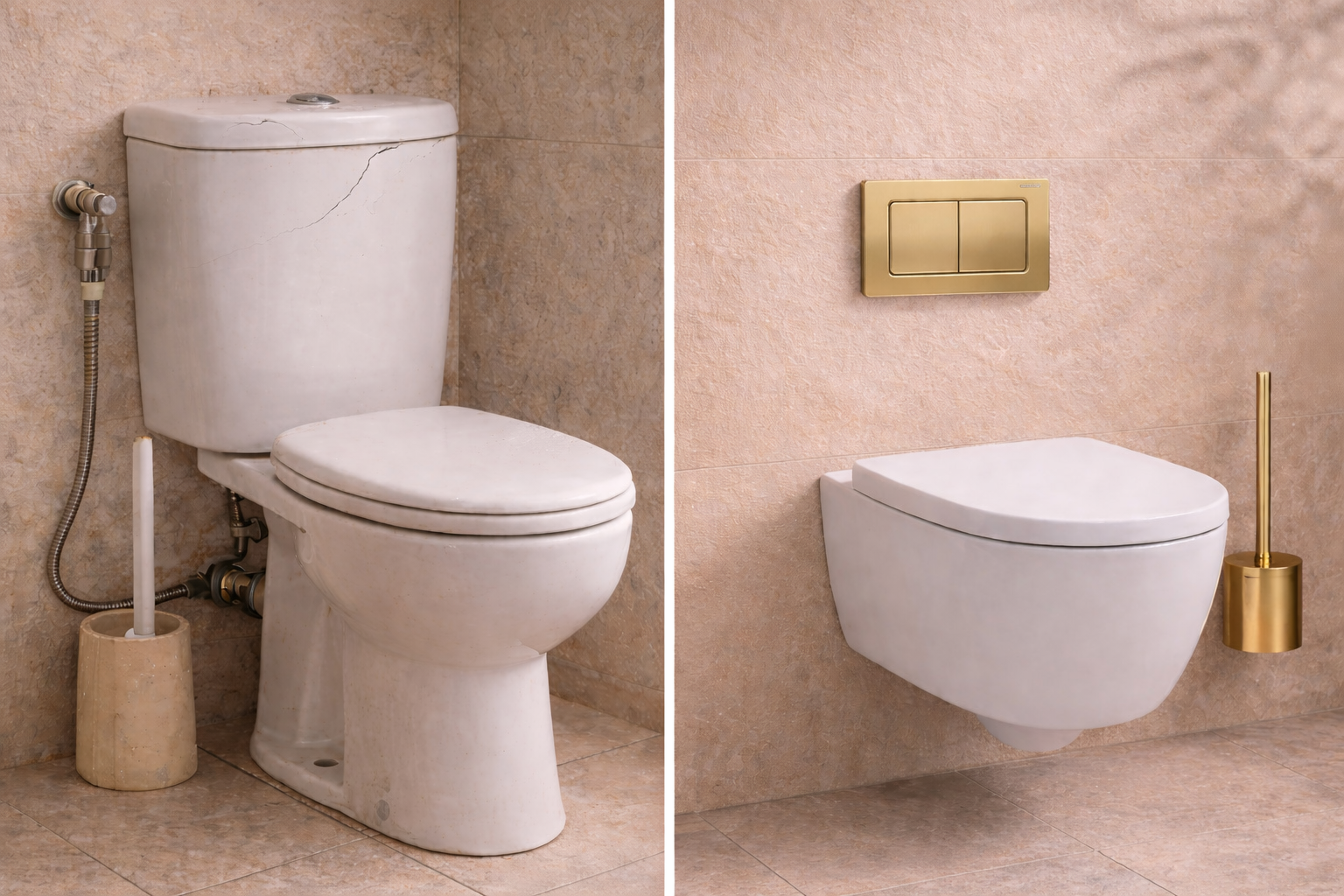
Many renovations start because something is broken – a cracked cistern, a loose toilet seat or a shower that’s too small.
But the real frustrations usually go deeper.
Start by identifying what annoys you about the current bathroom.
Examples might include:
• A toilet that’s difficult to clean
• A pedestal basin with no storage
• A shower that’s too small
• A corner bath that takes up too much space
• Tiles and grout that are difficult to keep clean
Small layout adjustments can often solve these problems.
Replacing a pedestal basin with a vanity introduces storage. Installing built-in shelves prevents shampoos from living on windowsills. Moving towel rails can improve airflow and drying.
The goal of a renovation isn’t just to make the bathroom look better, it’s to remove the small daily frustrations.
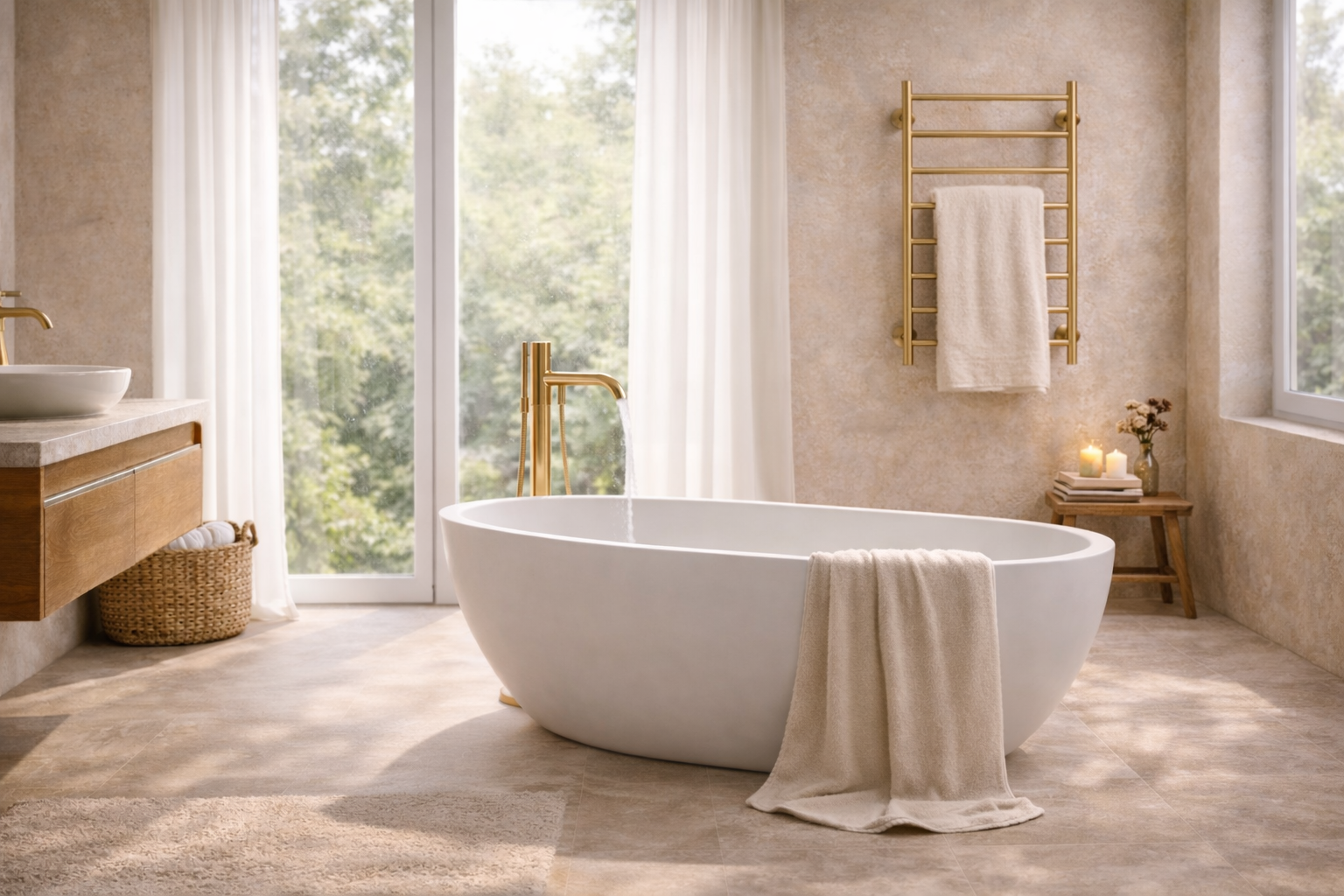
Practical tip: Heated towel rails are becoming a popular upgrade in modern bathrooms. They use surprisingly little electricity – often less than a standard light bulb – while helping towels dry faster and reducing moisture and bacteria buildup.
Step 8: Choose the main fixtures first
Once the layout is clear, choose the fixtures that anchor the room.
Start with the elements that define how the bathroom works:
• Toilet
• Basin
• Vanity or bathroom furniture
• Shower system
• Bath
• Bathroom taps and basin mixer taps
These are the pieces you interact with every day, and they influence both the functionality and style of the space.
Once these are selected, it becomes much easier to choose finishes that complement them.
Step 9: Define the finishes and supporting elements
With the main fixtures decided, you can start shaping the overall look of the bathroom.
This includes:
• Mirrors
• Tiles and wall finishes
• Lighting
• Towel rails
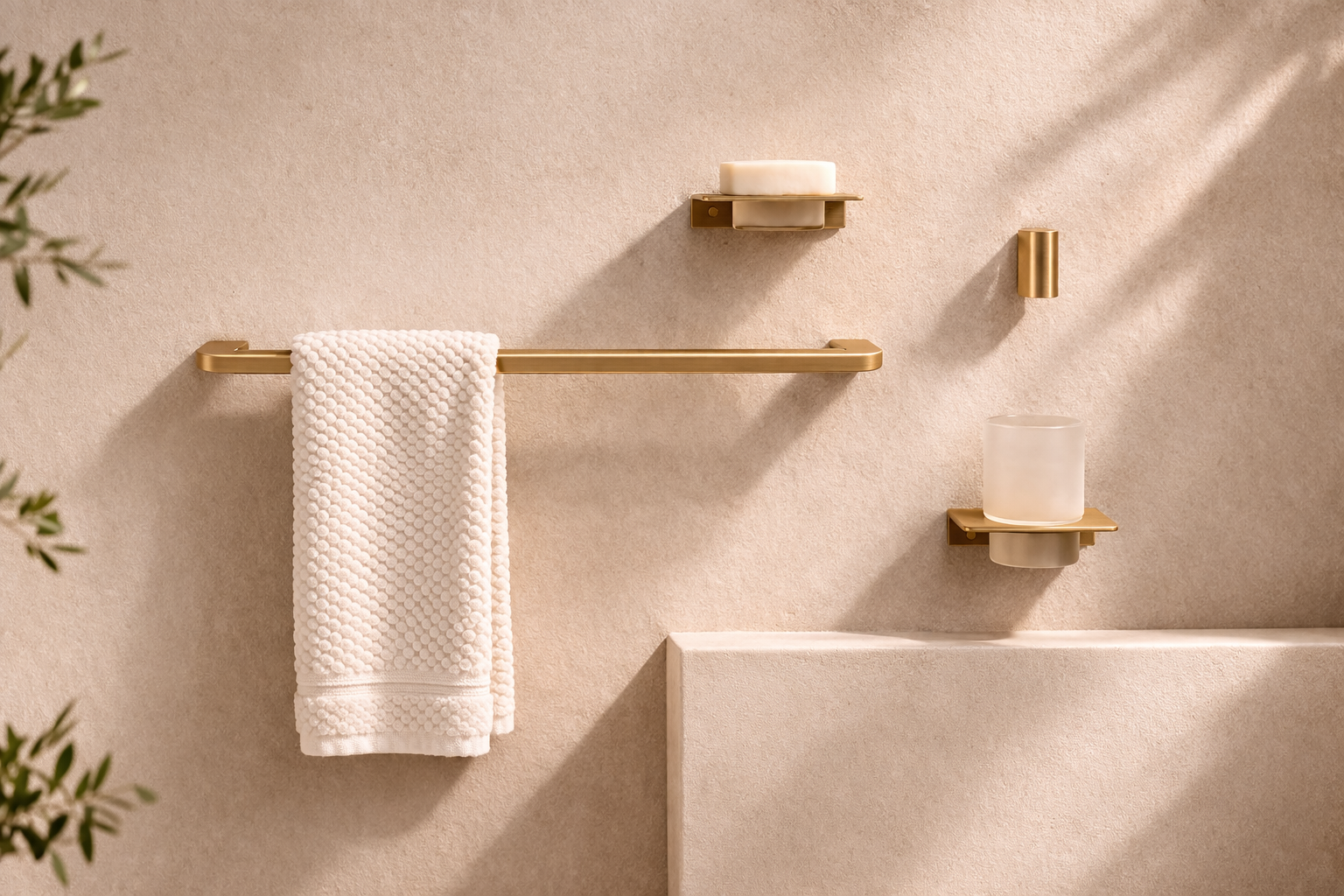
• Bathroom accessories
Accessories should be planned early but installed last. Thinking about them now helps avoid awkward placements, cluttered walls or items that simply don’t fit the space.
Well-chosen finishes and accessories should enhance the main fixtures – not compete with them. When everything works together, the bathroom feels clean, balanced and intentional rather than overcrowded.
Final step: Think about the whole bathroom
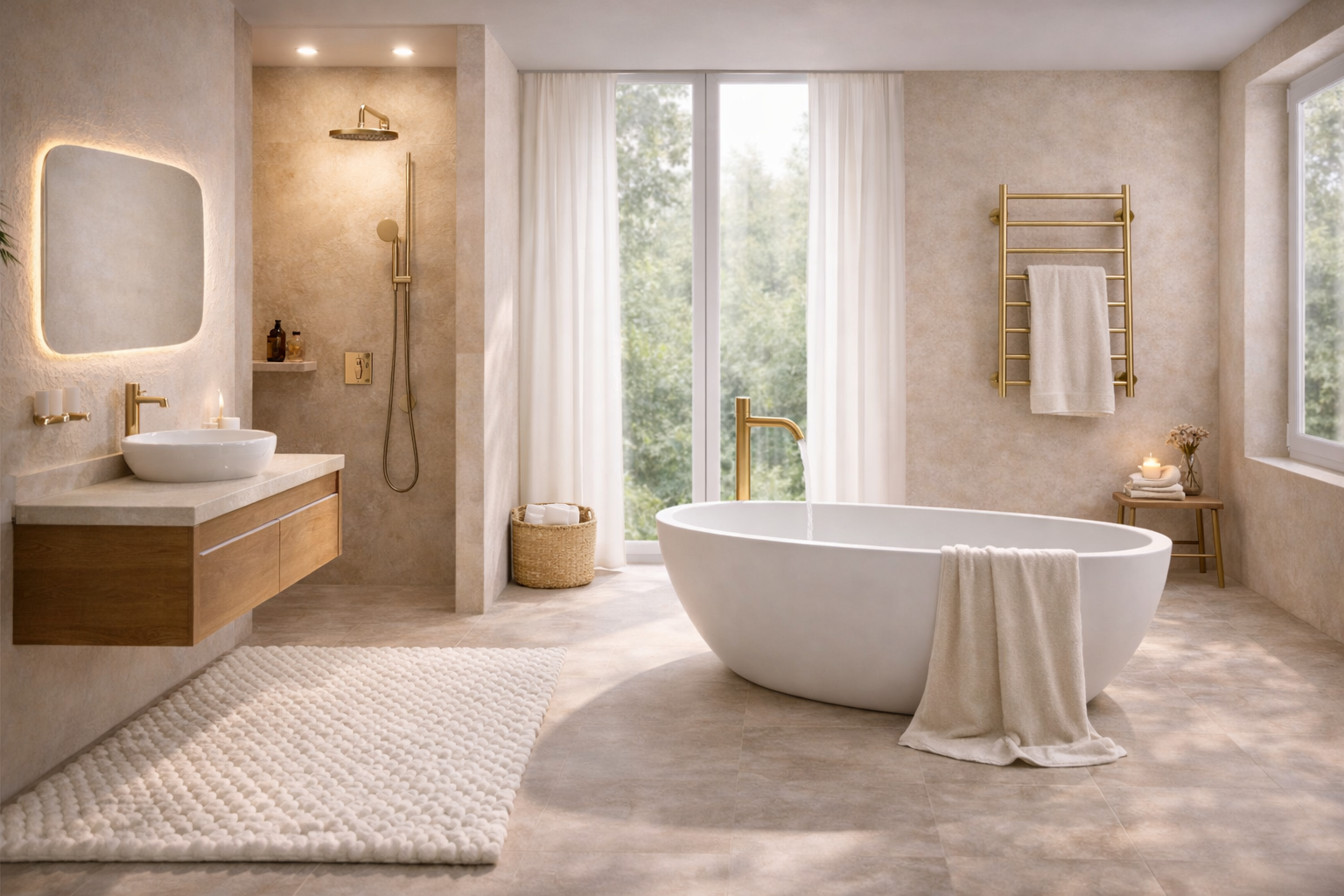
One of the biggest renovation mistakes is buying products individually without thinking about the full room.
Instead ask:
• Do the bathroom taps, basins and showers work together?
• Do they suit the style of the home?
• Will they be durable and easy to maintain?
A successful bathroom renovation isn’t just about how it looks on day one, it’s about how well it works over time.
Working with experienced bathroom specialists like On Tap Plumbing & Bathrooms helps homeowners explore options for basins, bathroom taps, showers, baths and accessories that balance design, durability and everyday practicality.
When decisions are made in the right order, a bathroom renovation becomes far less overwhelming – and far more successful.
Visit www.ontap.co.za




Leave a Comment