

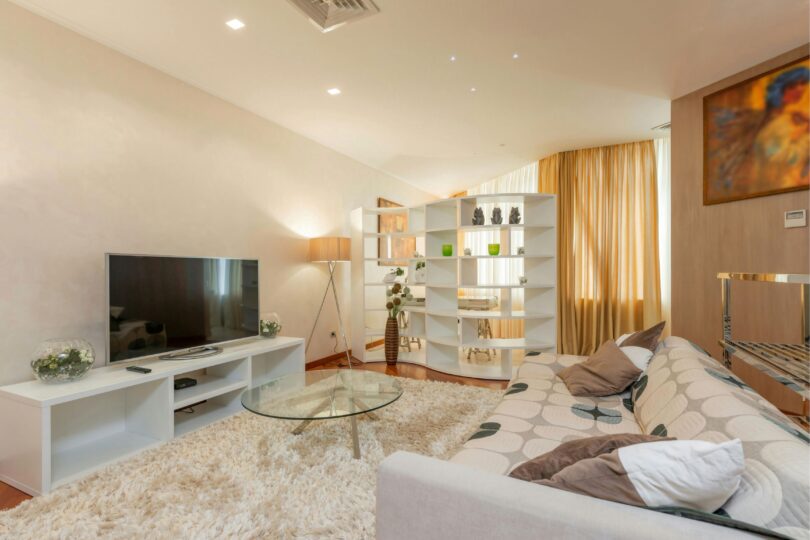

Wall finishes and colours are often treated as a final decorative touch, a sometimes panicked decision made at the end of a home build or renovation. The floors are laid, cabinetry fitted, and lighting has been selected and elegantly installed… and then the painting team is assigned, and the question arises: “Wait, what colour did we choose for the walls?”
By this stage, building fatigue has set in, and it’s hard to feel inspired after weeks, sometimes months, of dull grey cement and construction dust. With building deadlines looming, the choice for wall finish becomes reactive and rushed, rather than intentional.
In reality, wall paint is more than a cosmetic finish. Walls are the largest uninterrupted surfaces in any home and play a powerful role in shaping how architectural features come together. Ultimately, wall colour and texture help to define a space, while also protecting the basic home structure.
Don’t forget to talk paint at first design meetings
Wall texture and colour should already form part of the conversation during the architectural and interior planning phase. Ashley Svensson, director at Jukka Construction, elaborates: “Most of what you see in any home is wall space, second only to flooring. It may not be necessary to select an exact paint code on day one of design, but it’s the right time to establish intent. What room is this? What purpose is served here? How should this room feel?
Wall finishes influence how natural light is reflected or absorbed, how ceiling height is perceived, and how other materials, such as flooring, cabinetry, stone, and steel, ultimately appear within the space. A smooth, light-reflective surface brightens and sharpens detail, while a textured or matte finish softens light and adds depth. Even subtle variations in plaster can change the room’s entire mood.
“Certain finishes also carry technical implications,” says Svensson. “For example, exposed brick requires structural planning and moisture control. Lime-based and textured plasters absorb and diffuse light differently, so you have to be quite deliberate with light placement. When working with darker palettes, access to natural light and electrical planning must be considered from the outset.”
If colour and texture are only considered at the end of a build, there’s a considerable risk of clashing with fixed finishes, unintentionally altering spatial perception, lowering ceilings visually, flattening volume, or fighting against natural light.
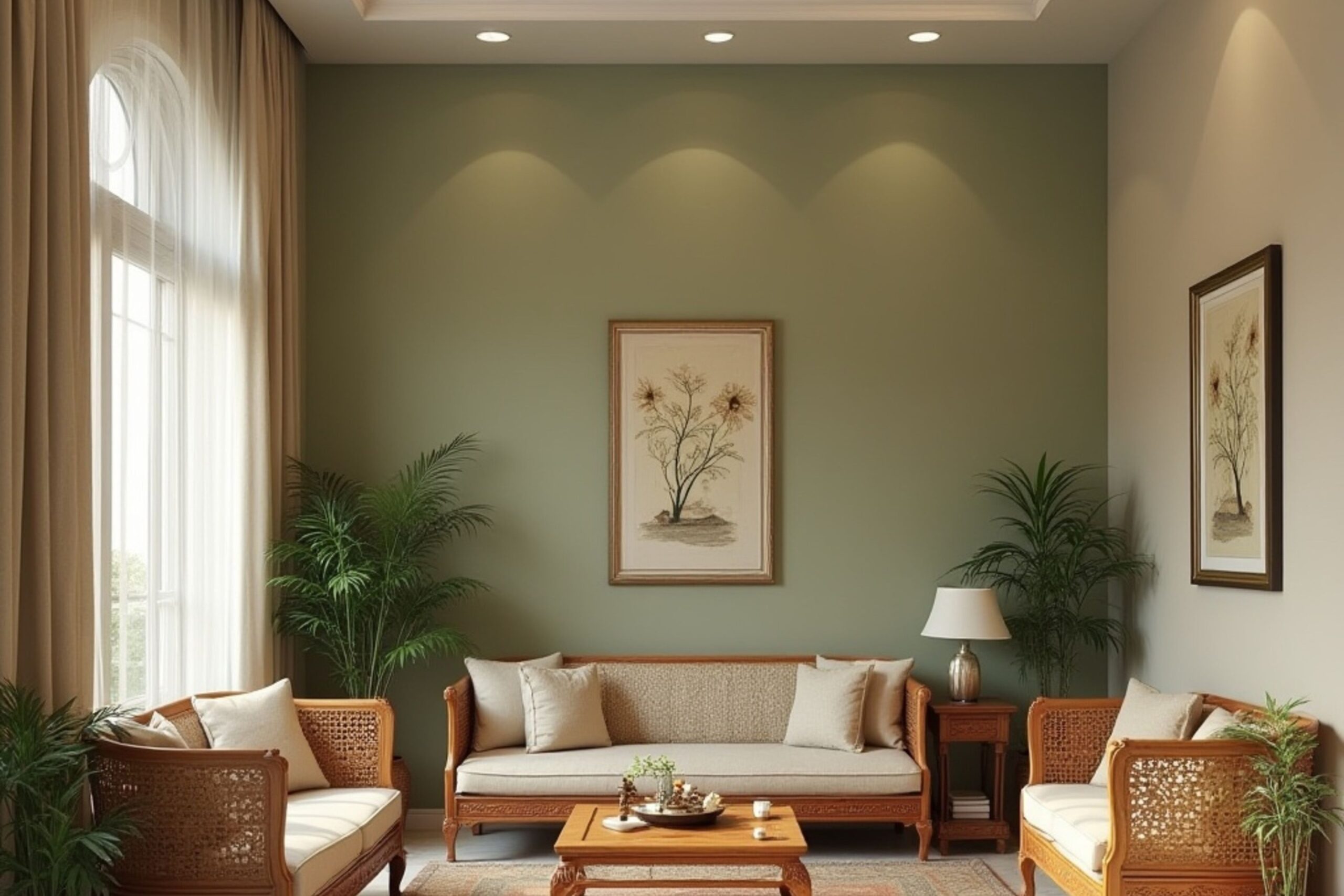
Early conversations around wall finishes should include:
- Orientation and natural light
- Window placement and ceiling height
- Flooring and cabinetry undertones
- Fixed architectural elements
- Overall colour direction
- Sheen and texture preferences
- Lighting layout and bulb temperature
- Interior–exterior palette continuity
Svensson reiterates: “These are architectural decisions. From a design perspective, wall finishes are not just decoration. They form part of the overall structural aesthetic.”
Final commitment: Confirming colour in context
In practice, painting and decorative texturing are done near the end of construction, once the plaster has cured, fixtures are installed, and electrical fittings are in place. Most importantly, the home must be physically standing so that colour can be tested in real light.
Architectural renderings and in-store sample boards can’t fully predict how a tone will appear once surrounded by actual materials. Timber floors may be warmer once laid. Natural stone may introduce subtle undertones. Double-volume spaces can intensify colour, while narrow corridors can deepen it.
This is why it’s important to revisit wall surface decisions in the home itself, before fully committing to them. Instead of reviewing a 10cm sample in a supplier’s showroom, or a small swatch placed flat on a table, wall textures can be examined on site – vertically, and under the intended room’s natural light. Large test patches applied directly to walls allow colours to be reviewed at different times of day.
“Very often, this is the stage where final tweaks to wall surface decisions are made,” says Svensson. “If due diligence has been done at the design phase, the vision remains strong and only needs subtle refinements at the application phase. A little softer here, a touch more contrast there. No panicked paint-picking or regrets.”
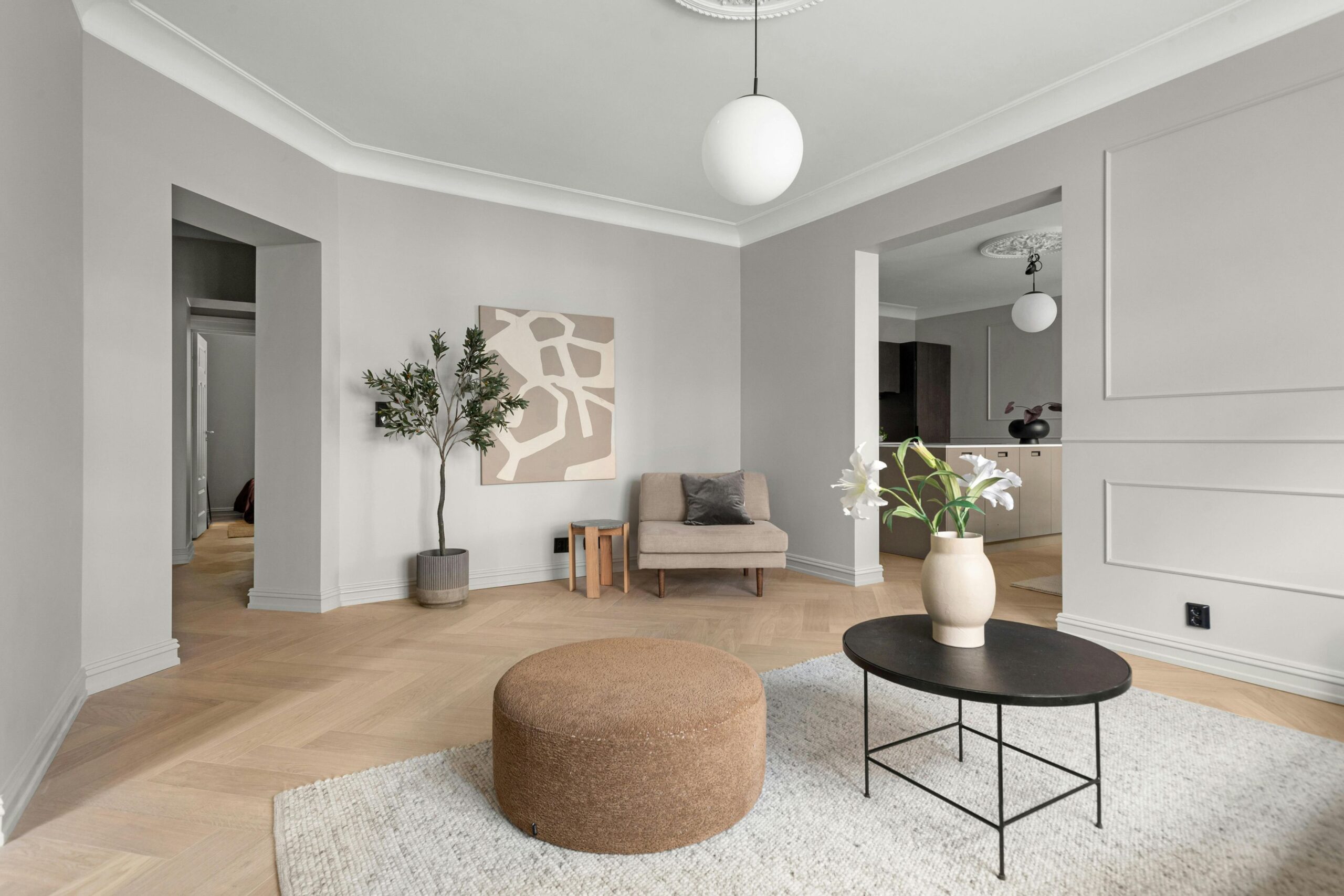
A summary of the ideal timeline for wall surface planning
Planning wall surfaces is not a single choice made at one moment in time. It is a phased process that moves from early intention to final confirmation on site.
Concept stage
- Define the overall mood of the home
- Discuss natural lighting with the architectural team
- Establish general colour direction
Detailed design stage
- Shortlist specific paint options
- Confirm finish types (matte, low-sheen, limewash, hand-applied plaster)
- Align selections with flooring, cabinetry and fixed materials (for example, a high-sheen wall surface to complement a natural stone hearth)
Final stages of construction
- Test full-scale swatches on actual walls
- Assess colour under natural and artificial light
- Apply the final finish with confidence
How to avoid wall-surface mistakes
In high-end residential builds, wall finish is part of the architecture. A hand-applied plaster, an ultra-flat paint or a layered limewash can dramatically influence how a space feels, even when the palette remains neutral.
Svensson suggests that educating oneself on the process and working with professionals who understand it is key: “Treating paint as something purely cosmetic is a mindset mistake. We’ve known people who paint and re-paint a wall several times, never being fully satisfied with the outcome. They believe it’s as simple as choosing a colour they like. There’s so much more at play. The most common mistake is simply not understanding the significance of how wall finishes interact with every other element of the home.”
Jukka Construction is a leading luxury home construction company in South Africa, offering property owners the confidence of high-quality builds and exquisite, fit-for-purpose finishes.
Visit www.jukka.co.za for more building insights.


Leave a Comment