

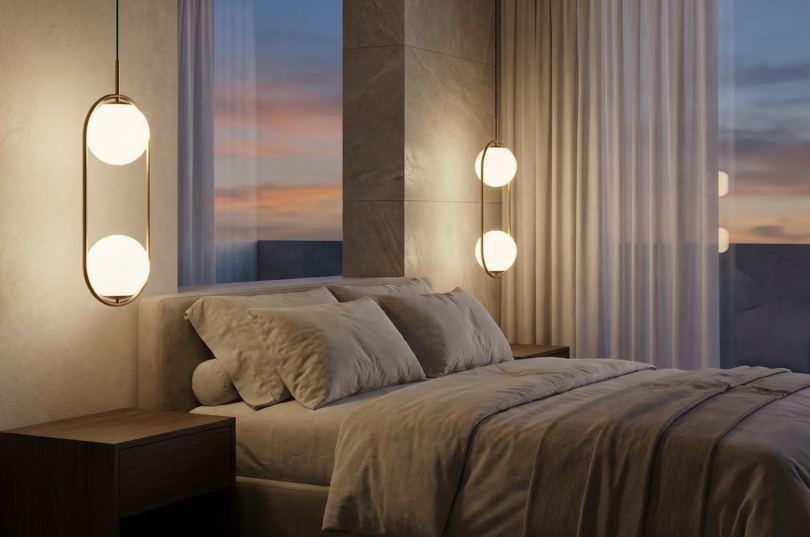

You can spend thousands of rands designing your home, choosing the perfect furniture, the right colours and the best finishes. But if your lighting is wrong everything feels off. Too harsh. Too dull. Too flat. And most of the time, people don’t even realise why. It usually comes down to one simple mistake: Choosing the wrong lighting colour temperature. K. Light believes great lighting starts with understanding the space it’s designed for.
Understanding the difference
Lighting is more than just brightness it’s about tone, atmosphere, and how a space is experienced.
Warm white, 3000K, lighting enhances the true colours of your interiors while creating a relaxed, comfortable environment. It is mostly used in residential spaces such as living rooms and bedrooms, as well as in hospitality settings like hotels, where ambience is essential.
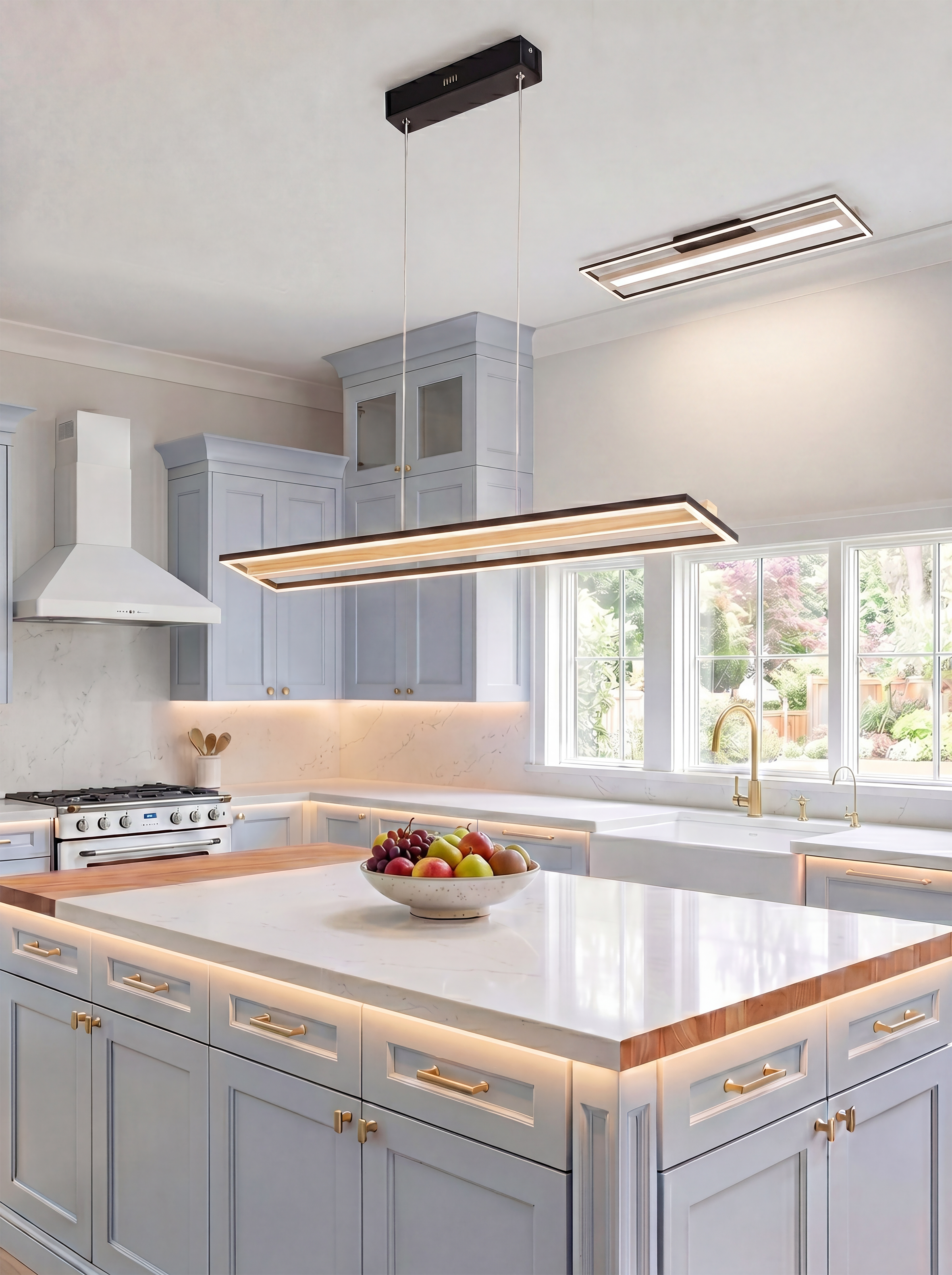
Cool white, 6500K, lighting provides a brighter, more focused illumination. It is ideal for task-driven environments such as kitchens, offices, retail stores, schools, and medical spaces where clarity and visibility are key.
What most people get wrong
Choosing the wrong Kelvin for the space
Colour temperature, measured in Kelvin (K), plays a critical role in how a space feels. Selecting the wrong colour temperature can completely change the atmosphere turning a warm, inviting room into a cold, unwelcoming one, or making a functional space feel too dim. The key is understanding what each space requires and selecting accordingly.
Ignoring how light interacts with fixtures
Lighting does not exist in isolation. The design, material, and finish of a fixture, particularly pendants and wall lights directly affects how light is distributed and perceived. A warm white 3000K bulb behind a frosted diffuser will create a completely different effect compared to the same bulb in an open fixture. The result is not just about the light itself, but how it is shaped.
Not layering or contrasting lighting properly
The most refined spaces use lighting intentionally. Rather than relying on a single source, they combine multiple layers: Ambient lighting for overall illumination, feature lighting to highlight design elements, functional lighting for everyday use by subtly contrasting warm and cool tones across different areas, you create depth, balance, and a more considered environment.
This is what separates a well-lit home from a beautifully lit one. When lighting is used intentionally through the correct colour temperature, thoughtful placement, and careful layering every space works in harmony.
Visit www.klight.co.za





Leave a Comment