

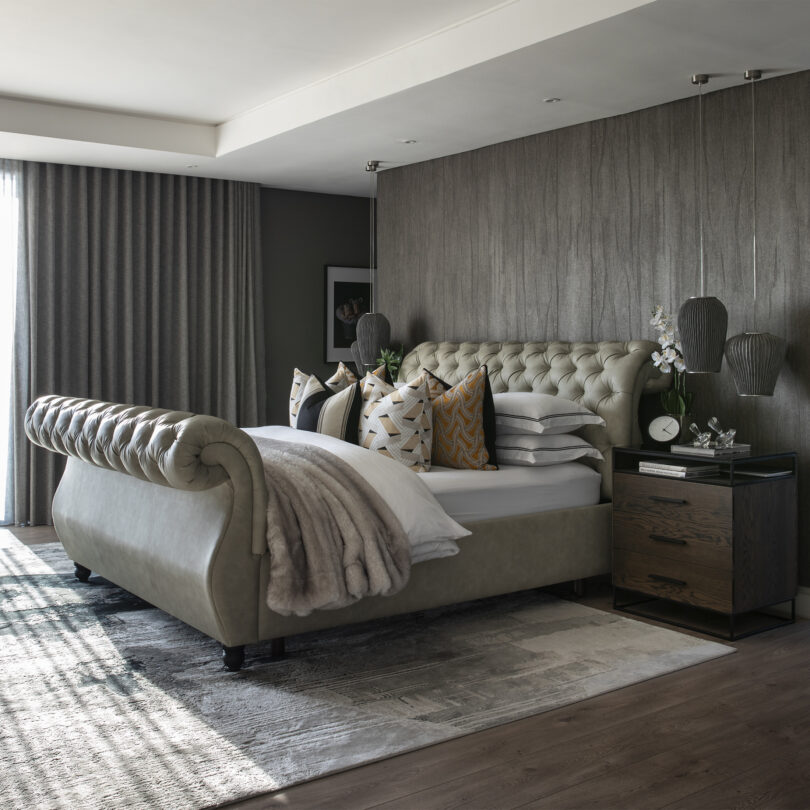

It’s such an enticing concept: Quiet luxury. Its appeal lies in its inherent paradox: Luxury that’s quiet, not loud; restrained, not over the top. But the term “quiet luxury” has become one of the most overused phrases in interior design, and perhaps one of the most misunderstood.
It’s been reduced to a Pinterest aesthetic of beige-on-beige, stripped-back minimalism, and expensive-looking restraint. But true quiet luxury is far more nuanced and far more strategic.
Vinette Diab-Nicholls, CEO and founder of award-winning interior design studio Giava Interiors, unpacks the seven biggest myths that continue to cloud this concept.
Myth 1: Quiet luxury is neutral and colourless
One of the most persistent misconceptions is that quiet luxury lives exclusively in shades of cream, taupe, and soft grey. While a restrained palette can certainly play a role, quiet luxury is not about removing colour. It’s about using it with confidence and intent.
A muted olive, a warm rust, a chalky blue, or a soft clay tone can all feel quietly luxurious when layered thoughtfully into a space. The difference lies in the depth and quality of the colour, not its absence. True sophistication is never afraid of subtle contrast.
Myth 2: It requires an unlimited budget
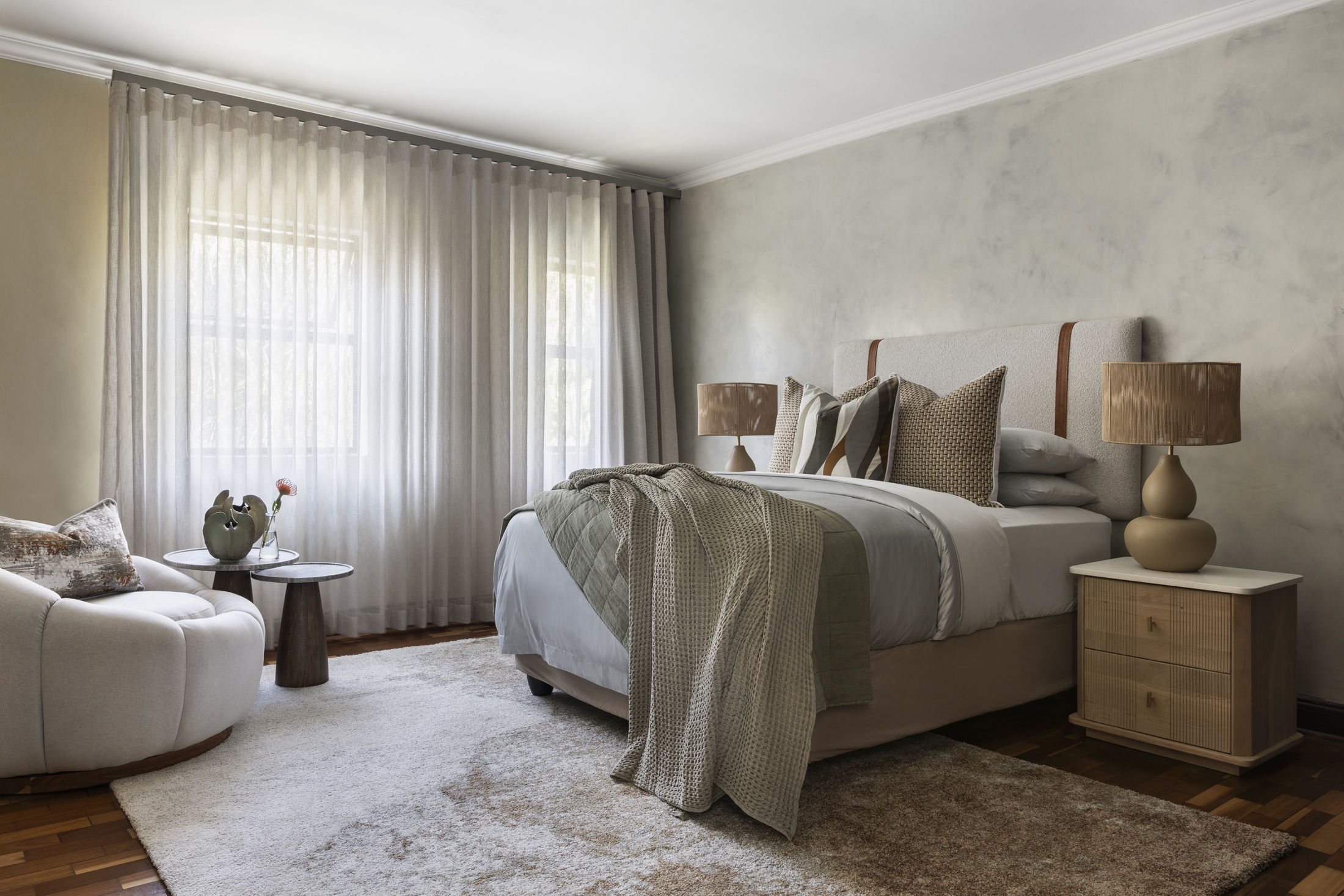
Quiet luxury is often conflated with high price tags, but the essence of it is not excess. It’s about choosing fewer, better things.
In fact, some of the most impactful spaces Giava Interiors designs are not the most expensive. It’s about investing in one exceptional sofa rather than three mediocre ones. It’s choosing natural materials that age beautifully. It’s prioritising craftsmanship over quantity.
Quiet luxury is not about how much you spend. It’s about how wisely you spend it.
Myth 3: Minimalism equals emptiness
There’s a fine line between minimalism and sterility, and quiet luxury sits firmly on the right side of that line.
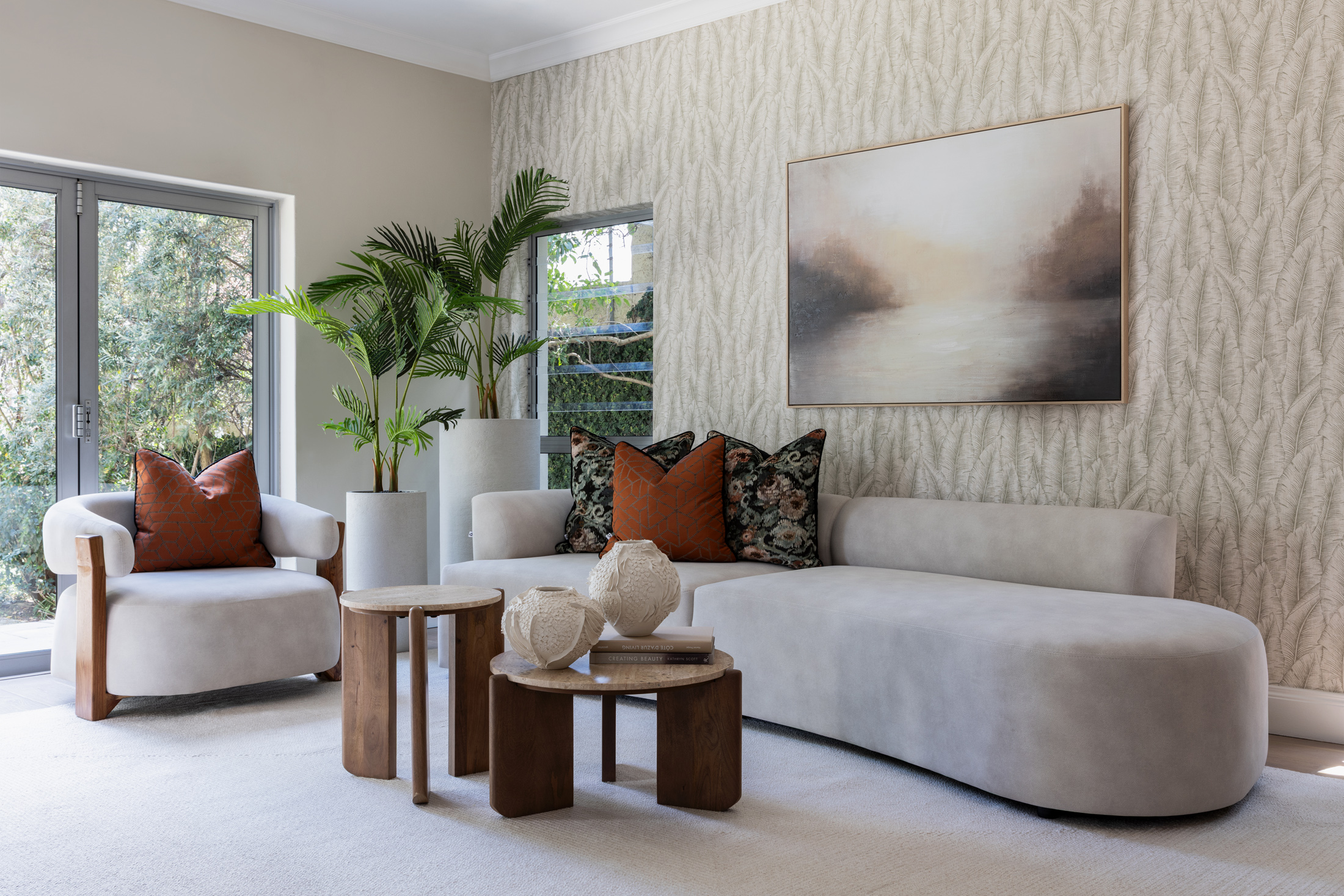
A quietly luxurious space should feel calm, but never cold. It should invite you in, not intimidate you. Texture, layering, and styling are what bring warmth to restraint. A space can be uncluttered and still feel rich, through materials, light, and detail.
Empty is not elegant.
Myth 4: It must be contemporary
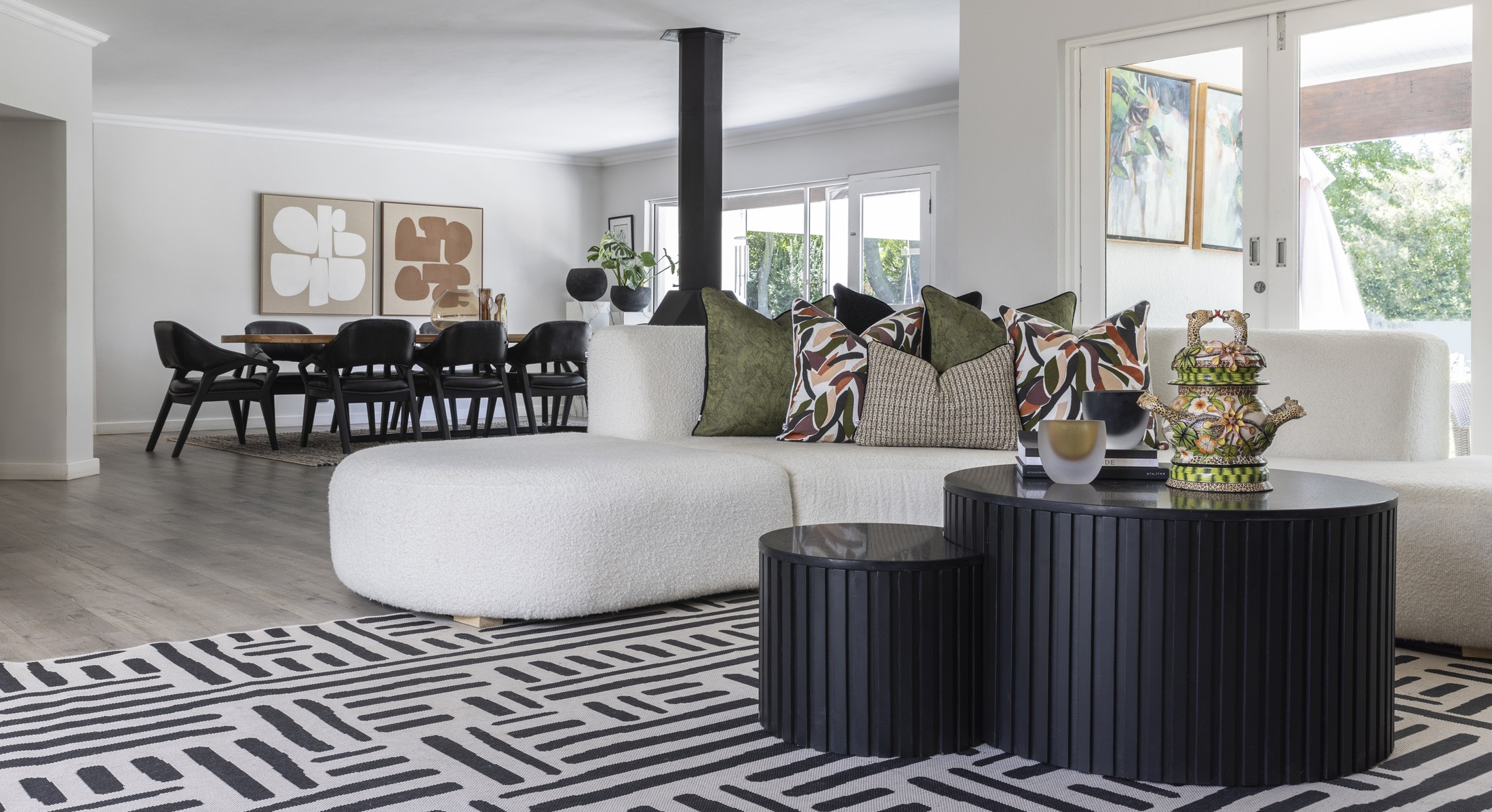
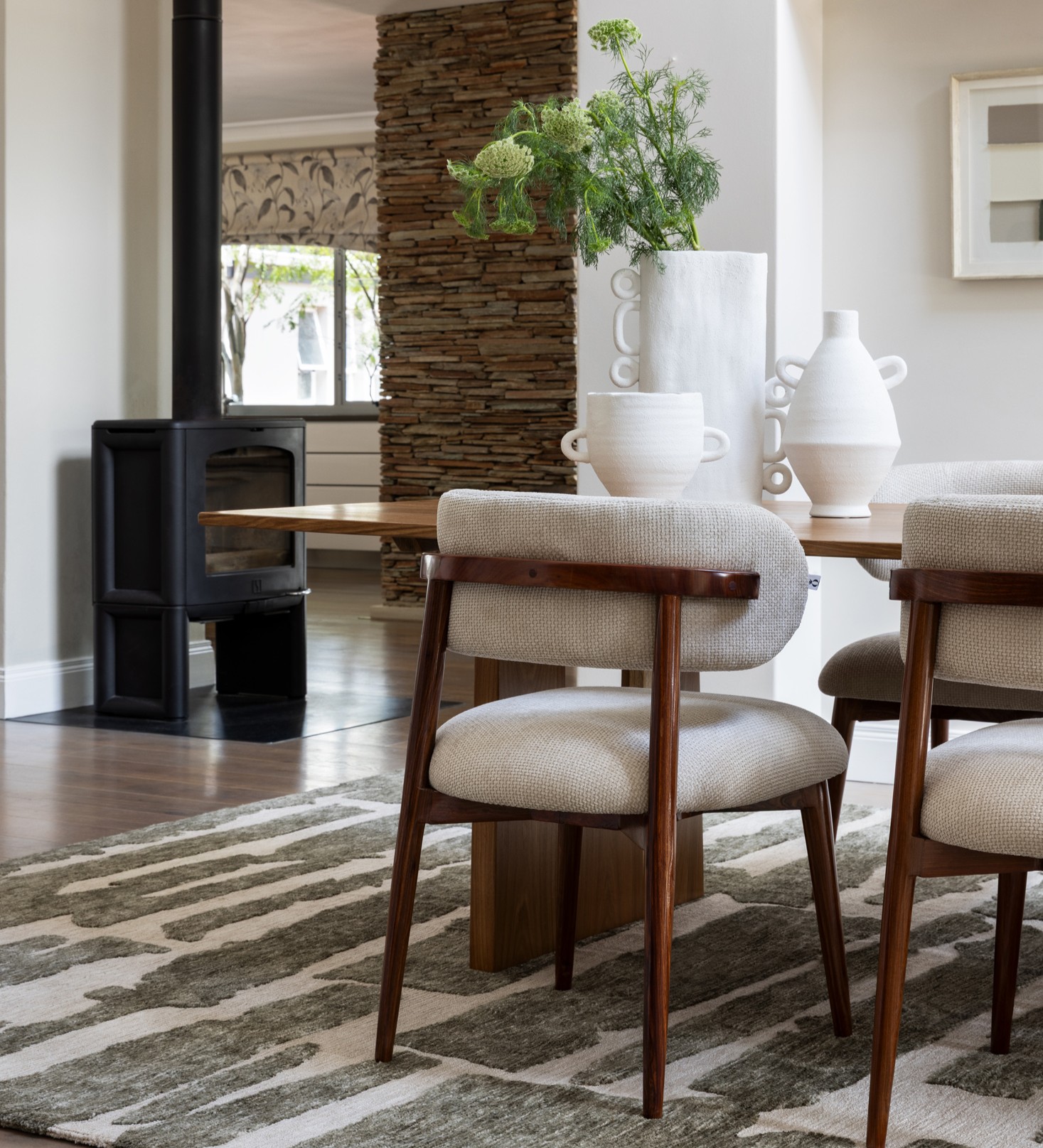
In the world of interior design, quiet luxury is often seen as being synonymous with contemporary interiors. While many contemporary designs do achieve that desired aesthetic, it certainly isn’t limited to contemporary or modern spaces. In fact, the kind of interiors where quiet luxury is most at ease are those that are classic and timeless. These are the lived-in homes where there’s a mixture of old and new, where styles are layered, where character gets preference over trends, and where there’s a relaxed, lived-in feel.
Myth 5: It’s all about aesthetics
Perhaps the most damaging myth is that quiet luxury is purely visual. In reality, it lies in the experience.
How does the space feel when you wake up in it? How does it function on a busy weekday morning? Does it support the way you live, or does it simply look good in photographs?
True luxury is comfort. It is ease. It is a space that works beautifully behind the scenes, not just on the surface.
Myth 6: It demands perfection
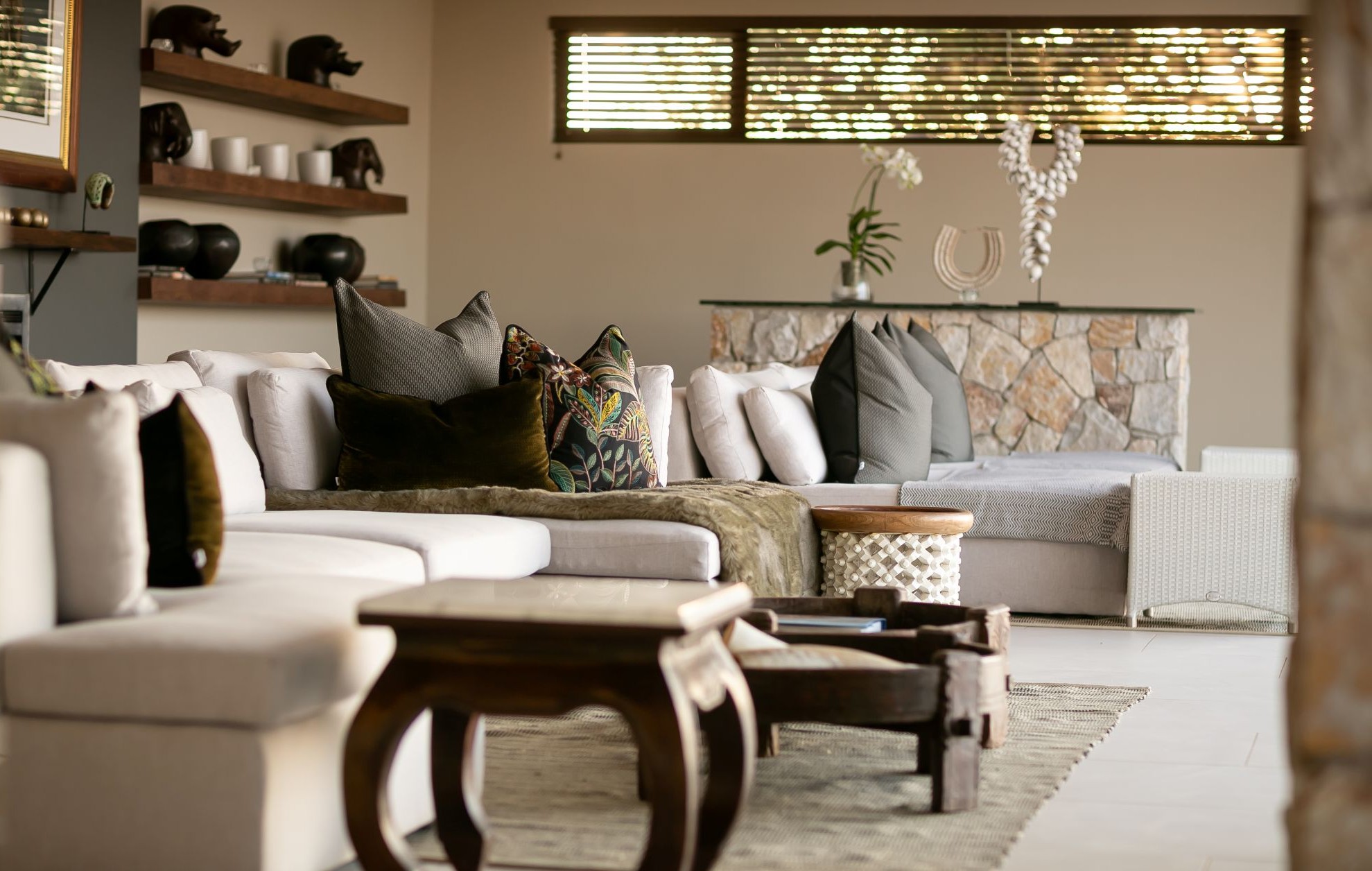
There’s a misconception that quiet luxury requires a kind of unattainable, showroom-level perfection. In truth, the most beautiful spaces’ lure lies precisely in its imperfections.
A worn leather chair. Old books. A couch scratched by a cat. Natural materials that patina over time. These elements bring soul and authenticity to a space.
Perfection is static and plastic. Quiet luxury continually changes and evolves.
Myth 7: It’s only for certain types of homes
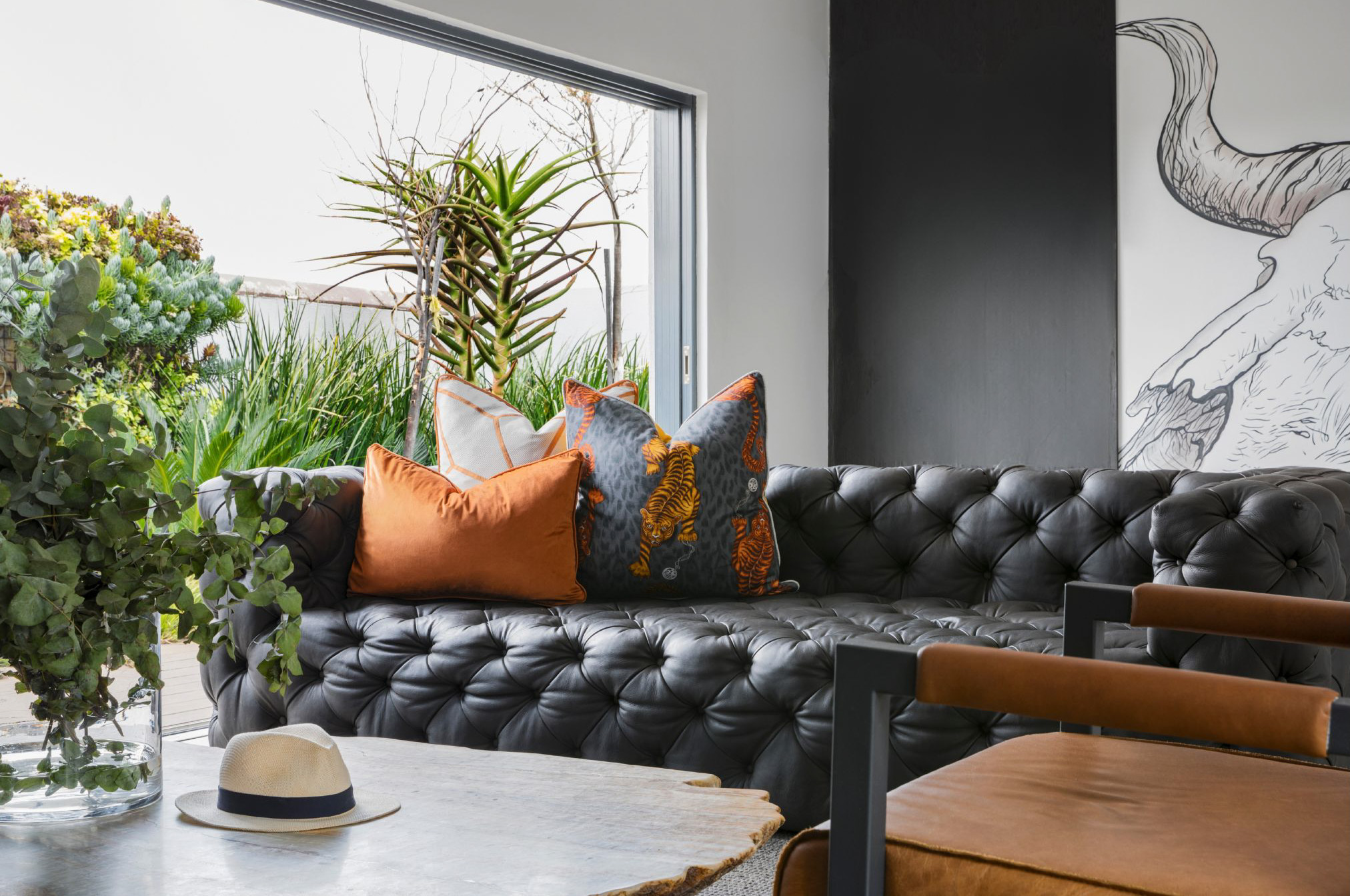
Finally, quiet luxury is often associated with grand homes, expansive spaces, and architectural showpieces. But this couldn’t be further from the truth.
Giava Interiors applies the principles of quiet luxury across a wide range of projects, from compact apartments to investment properties. It’s not about scale.
A small space that is designed well can feel infinitely more luxurious than a large, empty space with no soul.
Visit www.giavainteriors.com
Featured image: Quiet luxury is less about excess and more about intention. In this serene bedroom, layered textures, soft tonal variation, and understated natural finishes come together to create a space that feels calm, refined, and deeply inviting.

Leave a Comment