


In our overstimulated world, slow living has become essential, and it begins not with meditation cushions, but with intention. The spaces we inhabit shape the rituals we create, the conversations we have, and ultimately, how present we allow ourselves to be.
Intentional living through interior design isn’t about perfection or expense. It’s about aligning your surroundings with how you want to live.
Paint the picture first
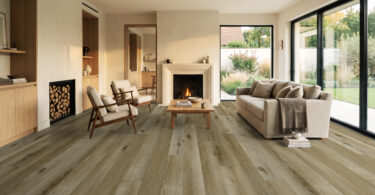
Before you paint a wall or buy furniture, define what you actually want to do in each space. If you want to connect with family and friends, arrange furniture to face one another rather than the television to encourage conversation. If you need calm and restoration, create a quiet reading corner with supportive seating and soft lighting.
Consider the rituals you want to happen in each room – morning coffees, game nights, creative projects or peaceful solitude. Let that vision guide every design decision you make. This clarity becomes your design compass. Everything that follows, from paint colour to lighting, should serve these core activities.
Less visual noise, more mental space
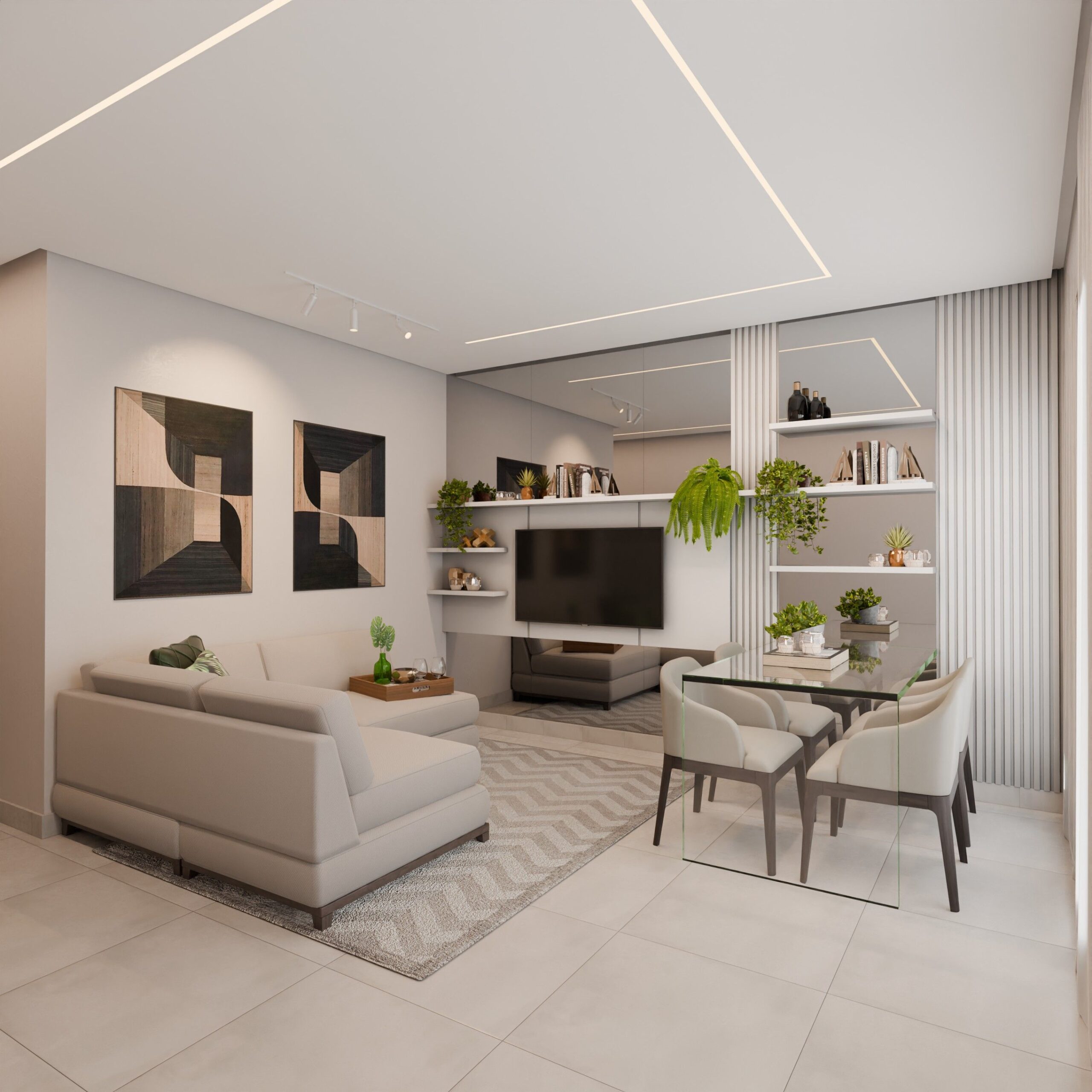
A space designed with intention requires a fundamental shift in how you approach what surrounds you. The first step is removing distractions by keeping only what brings you genuine joy or serves a real, identifiable purpose in your daily life. Implement closed storage solutions, such as cabinets, shelving with doors and baskets, to conceal everyday clutter. These functional pieces allow you to maintain order while keeping essential items accessible.
By concealing the tools of daily living – the chargers, papers and miscellaneous items that accumulate – you create visual breathing room. This approach isn’t about achieving stark emptiness or a sterile aesthetic. Rather, it’s about understanding the signal-to-noise ratio in your environment. Every visible item becomes significant because it has been intentionally chosen to remain in view.
Design with permanence, not trends
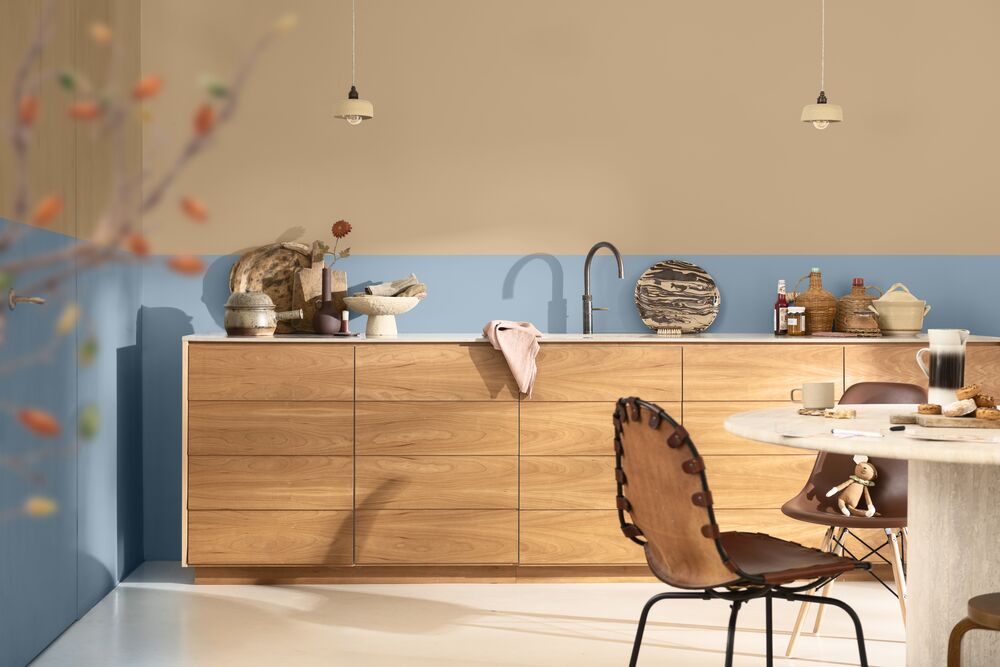
Choose a few well-made, enduring pieces rather than low-cost, disposable décor. High-quality, natural materials – such as solid wood, linen, stone and leather – age beautifully and develop character over time, adding a warmth that synthetic materials rarely achieve. These materials ground a room with a sense of permanence and solidity.
This philosophy extends to colour, too. Dulux Colour of the Year 2026 offers a carefully curated family of blues designed to stand the test of time and changing trends. By selecting colours with lasting appeal, you invest in a palette that can evolve with your space. Quality pieces become the foundation of your home, allowing you to refresh accents without destabilising the whole. This approach is an investment in longevity – and in the life you are building.
Choose a colour palette with purpose
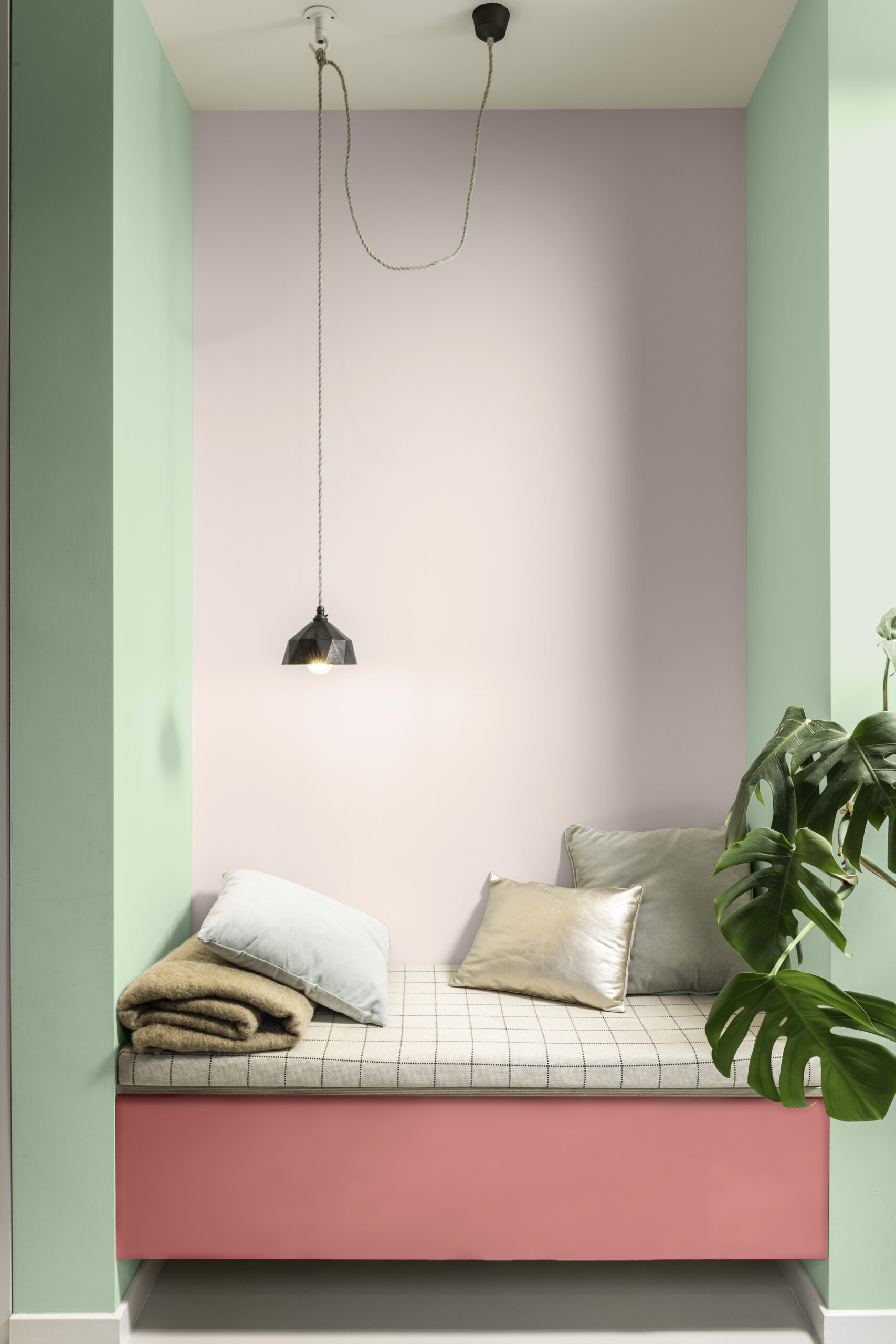
Select colours that match how you want to feel in each space. Soft greens and warm greys promote relaxation and calm by grounding you in nature. Deeper tones – forest green, navy, warm charcoal spark creativity and conversation by creating intimacy and depth. Warm tones signal safety; cool tones promote focus and mental clarity.
“Colour is the invisible language of your space. It speaks directly to your nervous system before you even consciously register it. That’s why choosing intentionally – not impulsively, transforms a room from simply decorated to genuinely supportive of how you want to live.”, explains Palesa Ramaisa, Dulux colour expert.
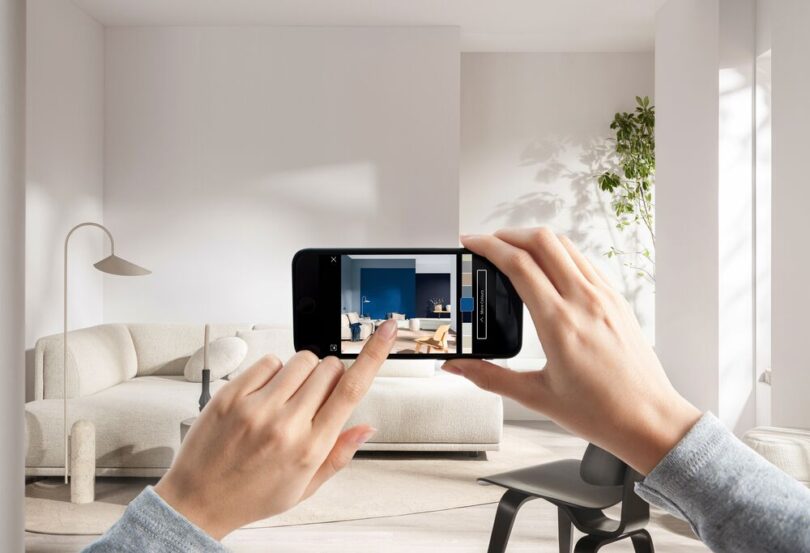
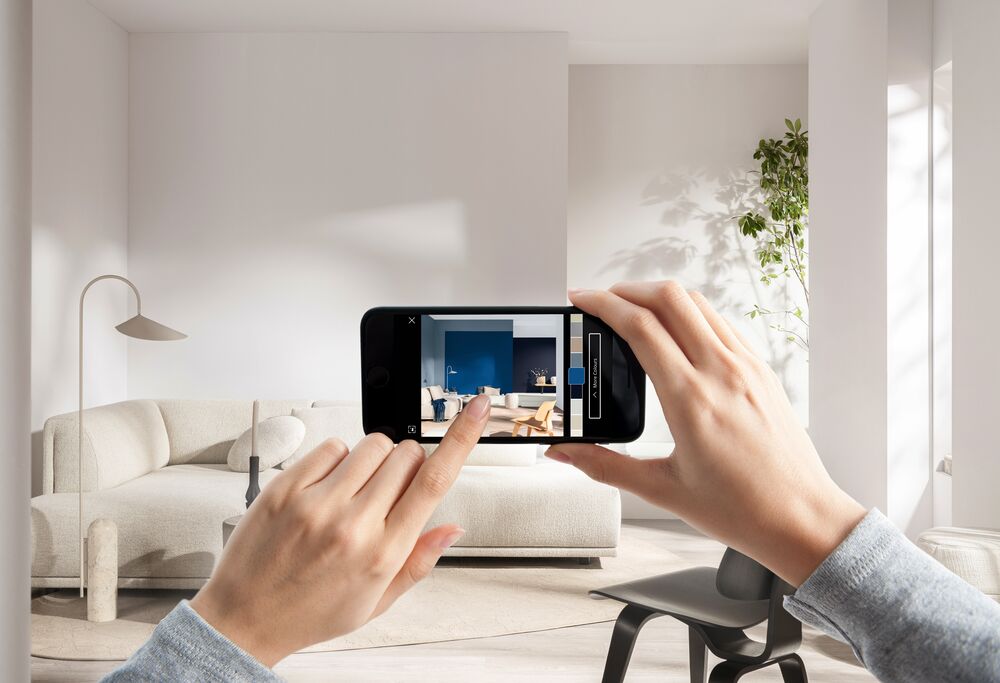
Use Dulux’s colour visualising app to test how colours respond to your room’s natural light before committing – this ensures your choices truly work in your space. Thoughtful colour selection becomes a form of self-care through your environment.

Aesthetics meet necessity
Transform mundane moments by making ordinary items beautiful. When everyday supplies are thoughtfully curated – laundry soap in glass jars, fruit in ceramic bowls and tea in matching canisters – functional items become objects of intention. These small acts elevate everyday routines into meaningful moments, turning your kitchen into a gallery of purpose, your bathroom into a sanctuary and your workspace into a reflection of care. Even the smallest, most repetitive tasks deserve beauty and attention.
Intentional living through design isn’t expensive or complicated. It simply requires clarity about what matters to you, followed by the discipline to let that guide every choice. Paint your walls to support calm. Curate your objects to reduce visual noise. Arrange your furniture to encourage connection.
When your home reflects your intentions, it naturally invites presence. The life you want to live begins in the spaces you create for it.
Visit www.dulux.co.za/en

Leave a Comment